
How Fabric Protection Works on Upholstery (and Whether It Is Worth It)

What is in this guide
What it actually does
Fabric protection coats each individual fibre with a treatment that repels water and oil, so a spill beads on the surface instead of soaking straight into the weave and down into the padding.
What you are buying is time. Untreated, a glass of wine reaches the foam in seconds and the job becomes about how deep it went. Treated, it sits on top for a minute or two, which is usually long enough to blot it away completely and be left with nothing. That is the entire mechanism, and it is genuinely useful.
We sell this, so read the next section with that in mind. It is there because the overselling of fabric protection is the main reason people distrust it.
What it does not do
- It does not make fabric stain-proof. Left long enough, a spill still goes in. Anyone describing it as stain-proof rather than stain-resistant is overselling.
- It does nothing useful for pet urine. Urine arrives in volume and runs down the seams into the foam rather than sitting where the coating is. A treated sofa needs the same enzyme treatment afterwards as an untreated one.
- It does not help with body oil. Oil from skin and hair transfers by contact over months, not by landing as a drop, so headrests and arms still darken.
- It does not prevent fading. Sunlight does that, and no protection stops it.
- It does not replace cleaning. Soil still accumulates, it just comes out more easily when it does.
Why your sofa stains more than it used to
This catches people out and it has a simple explanation. Most upholstery leaves the factory with a protective finish already applied. That finish wears off gradually with use, sunlight and every clean it receives.
So a sofa that shrugged off spills for its first two years and now marks the moment anything touches it has not usually changed in any other way. It has lost the treatment it came with. Reapplying is restoring something the piece originally had rather than adding something new to it.
Spray can or professional application
A protector from a hardware store uses much the same chemistry as what we apply, and for a small chair it is a perfectly reasonable thing to do yourself. Ventilate the room properly and follow the tin.
The difference is coverage rather than product. Protection only works where it lands, and getting an even coat across every panel, both sides of every cushion, the seams, the sides and the backs is harder than it looks. Thin or missed areas fail exactly where you missed them, which reads as the product not working. The fabric also has to be genuinely clean first, because anything sprayed over existing soil seals that soil in.
That last point is why we apply it at the end of a clean rather than selling it on its own. We use Protect All carpet and upholstery protector, applied to clean dry fabric once the extraction is finished and the piece has come back down to temperature.
Is it worth the money for you
Honestly, it depends on the household. Here is where it earns its keep and where it does not.
This is the case it was designed for. Spills are frequent, usually food and drink, and the extra minutes to blot are the whole point.
Pale fabric shows everything and forgives nothing, so buying time on a spill matters more than it does on charcoal.
Helps with muddy paws and the occasional sick. Does nothing useful for urine, which goes through the seams into the foam rather than sitting on the surface.
It already hides marks and shrugs off water. Spend the money on cleaning it more often instead.
It will not have paid for itself before the sofa goes.
These need a product made for that material, and some should not be treated at all.
How long it lasts
Around two to three years under normal use. Less on a sofa that gets heavy daily use, sits in direct sun, or is cleaned often, since cleaning is one of the things that removes it. There is no way to see it wearing off, so the practical answer is that it is reapplied at the next deep clean.
A quick test on an out-of-sight patch tells you where you stand. Put a few drops of water on the fabric. If they bead and sit, the protection is still working. If they spread and darken the fabric within a few seconds, it has gone.
Thinking about protection at your next clean
We apply it to clean dry fabric at the end of the visit, and it adds about 30 percent to the job. If your fabric or your household is one where it will not earn its keep, we will say so rather than sell it to you.
Prefer to call? Lines are open 24/7. You'll get an instant text back, and we reply fast to schedule your visit or send a free quote.
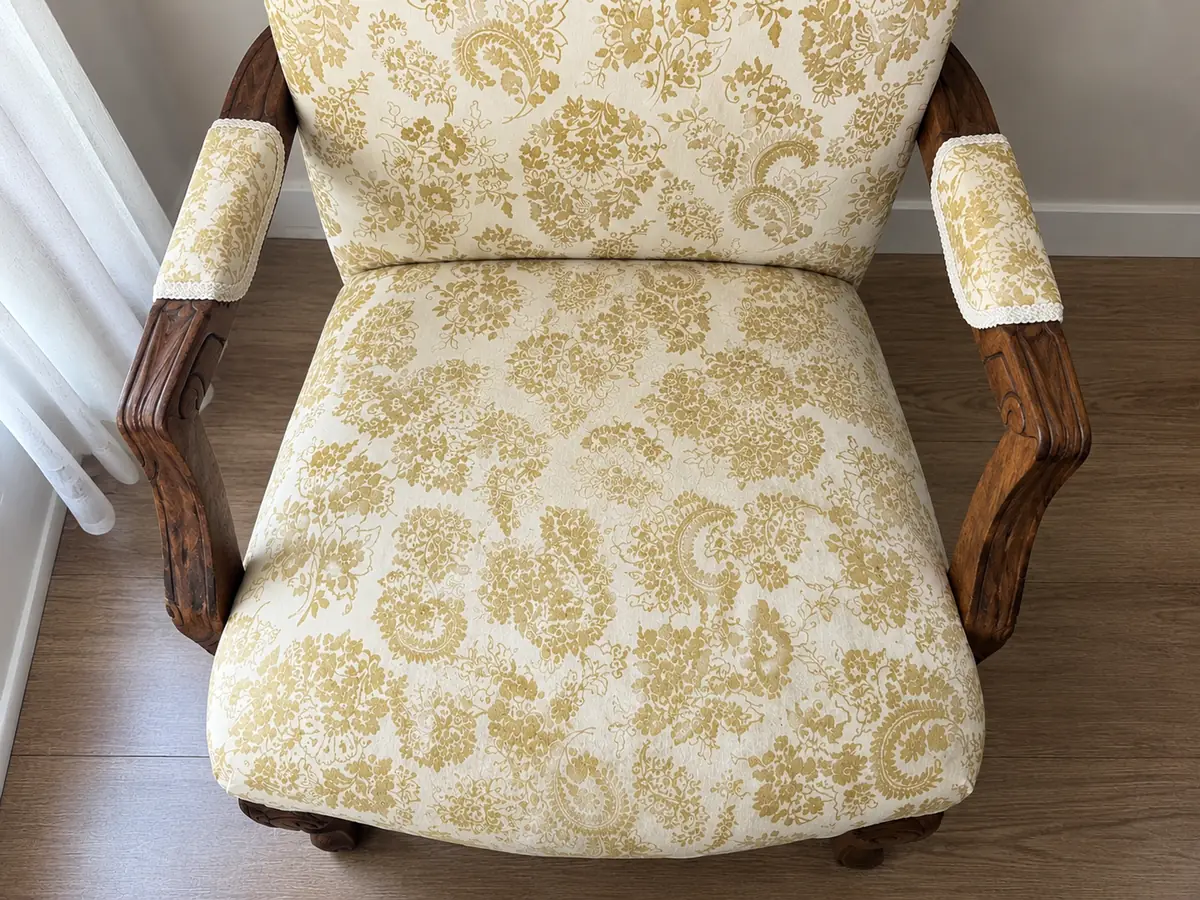
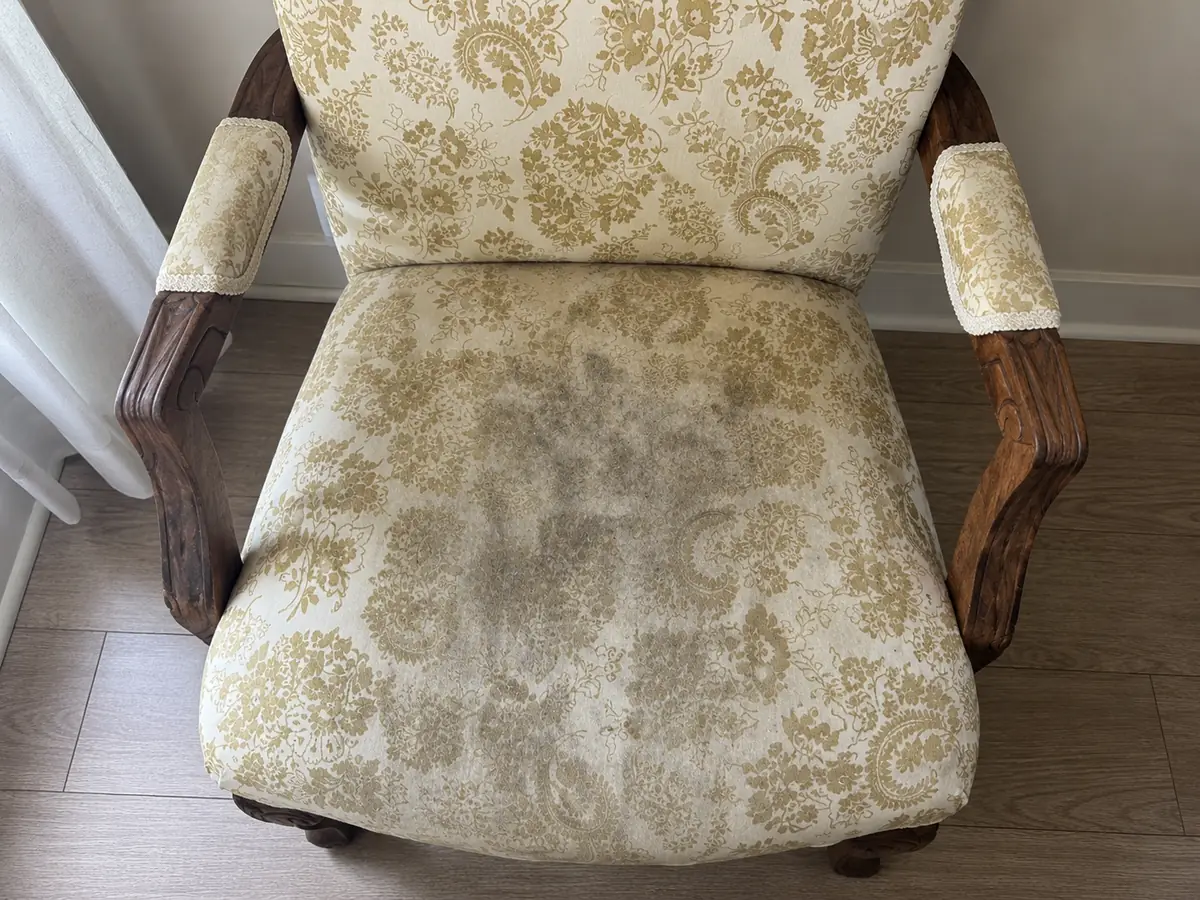
Drag to see the difference
A real result from our before and afters around Orlando.
At Pink Upholstery Cleaning we apply fabric protection as an add-on for homes across Orlando. Sofas are cleaned from $149 with a $115 minimum service, and protection adds about 30 percent to whatever the clean costs. Our couch and sofa cleaning page has the pricing, and our guide to couch stains covers what to do in the minute the protection buys you.

Natalia is the owner of Pink Upholstery Cleaning, a woman-owned, insured upholstery, furniture and mattress cleaning business serving Orlando, Florida. She cleans couches, mattresses and chairs across the Orlando area every week, so the advice here comes from hands-on experience, not theory.
Questions, answered
What does fabric protection actually do?
It coats each fibre so liquid beads on the surface instead of soaking straight in. What you are buying is time. A spill that would have reached the padding in seconds sits on top for a minute or two, which is usually long enough to blot it away completely. It does not make fabric stain-proof and nobody should tell you it does.
Is fabric protection worth it?
It is worth it with small children, on pale fabric, or on a piece you intend to keep for years, because those are the situations where buying time on a spill genuinely changes the outcome. It is poor value on a dark hard-wearing synthetic that already hides marks, or on anything you plan to replace soon.
Why does my sofa stain more easily than when it was new?
Most upholstery leaves the factory with a protective finish, and that finish wears off with use, sunlight and cleaning. A sofa that shrugged off spills for the first couple of years and now marks instantly has usually just lost its original treatment rather than changed in any other way.
Can I apply fabric protection myself?
Yes, and a spray can from a hardware store uses much the same chemistry. The difference is coverage. Getting an even coat across every panel, the sides, the seams and the backs of cushions is harder than it looks, and patchy coverage means the protection fails exactly where you missed. Ventilate well and follow the tin.
Does fabric protection stop pet urine?
Not meaningfully. Urine arrives in volume and runs down the seams into the foam rather than sitting on the surface where the coating works. Protection helps with muddy paws and the occasional sick, but a treated sofa needs the same enzyme treatment and extraction after an accident as an untreated one.
How long does fabric protection last?
Around two to three years with normal use, less with heavy use, sunlight or frequent cleaning. It is usually reapplied at the next deep clean, because the fabric has to be clean before it is treated, which is why it is offered as an add-on to a cleaning rather than on its own.
How much does fabric protection cost?
We apply it as an add-on to a clean, and it adds about 30 percent to the price of the job. On a sofa cleaned from $149 that is roughly $45. It is applied to clean, dry fabric, so it goes on at the end of the visit.
Explore our cleaning services
Ready to clean and protect it
Get a free, no-obligation quote today. Call or book online and most weeks we have same-week openings across Orlando.
Prefer to call? Lines are open 24/7. You'll get an instant text back, and we reply fast to schedule your visit or send a free quote.