
Upholstery Fabric Types and How to Clean Each One Without Ruining It
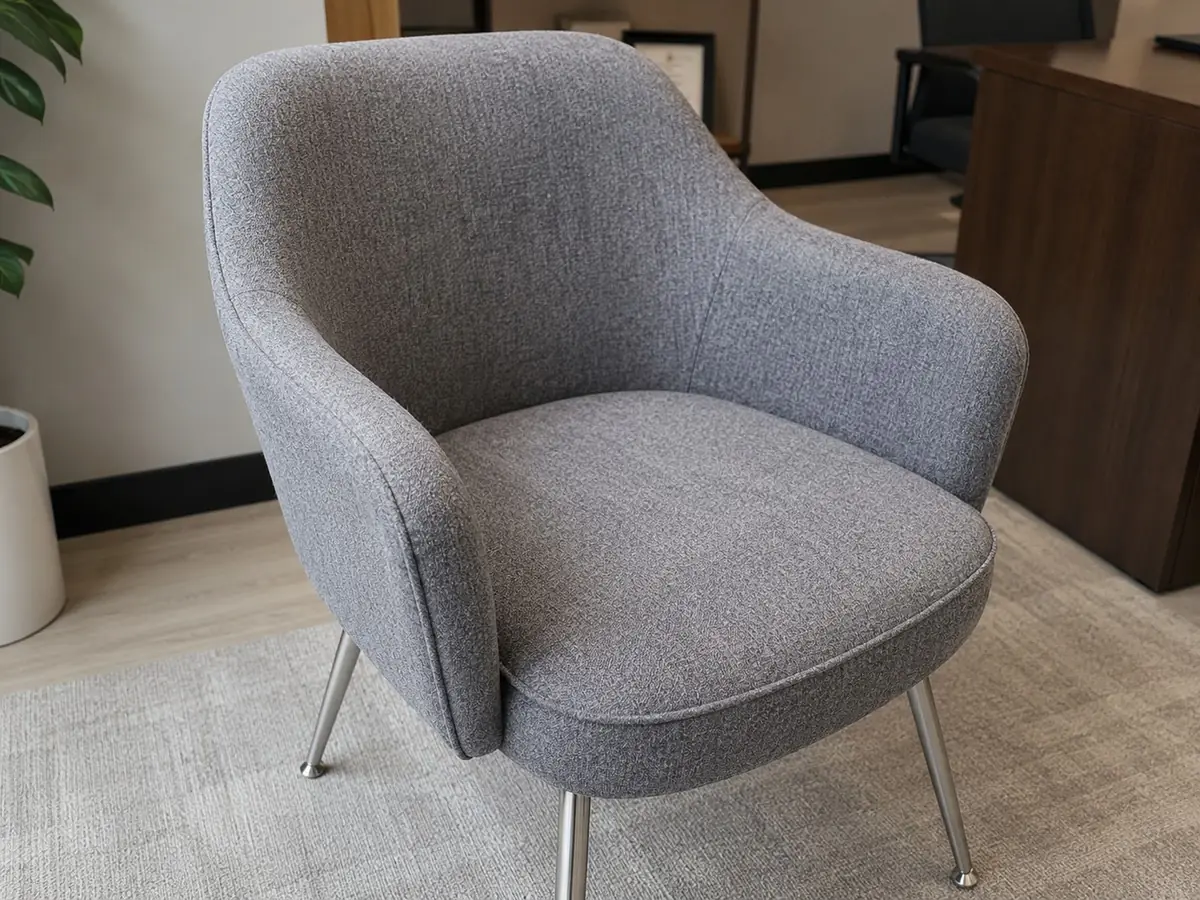
What is in this guide
The main upholstery fabric types, from polyester and microfiber to cotton, linen, velvet, wool and leather, each clean a little differently, and using the wrong method on the wrong one is how couches end up with water rings, crushed pile or shrinkage. Synthetics shrug off water, natural and pile fabrics are fussy about it, and leather does not want to be washed at all.
Knowing which fabric you are dealing with is what tells you how it will react before you touch it. This guide covers how to figure out what your upholstery is made of, how to clean each of the common fabrics, and which ones are better handed to a professional than treated at home.
How to tell what your upholstery is made of
Start with the fiber-content label, usually on the same tag as the cleaning code, which lists what the fabric is made from. If it is missing, your hands can tell you a lot. A short, dense, sheeny pile that flattens when you run your hand across it is velvet. A soft, matte nap that shows a handprint is microfiber or microsuede. A crisp, slightly rough weave is likely linen, a soft matte weave cotton, and a springy, slightly coarse feel usually means wool. A smooth hide is leather. Getting this right matters because each fabric has its own weakness, and the fix that saves one can ruin another.
How to clean each fabric type
Here is how the common upholstery fabrics behave and what to use on each. The pattern to notice is that protein fibers and pile fabrics hate moisture, while sturdy synthetics barely mind it, which the University of Georgia Extension explains comes down to how each fiber is built.
Polyester and synthetic blends
Polyester, acrylic, nylon and their blends are the workhorses of upholstery. They resist moisture and wear, usually carry a W code, and take a water-based clean with little risk, so a mild dish-soap-and-water foam blotted into a spot handles most everyday messes. This is the most forgiving fabric there is, and the easiest to clean yourself.
Microfiber and microsuede
Microfiber is a fine synthetic with a soft nap, and it is often coded S, meaning it wants a solvent rather than water, because plain water can dry as a ring. Rubbing alcohol works well on an S-code microfiber, and once the spot dries you brush the nap back up with a soft brush so it looks even again.
Cotton
Cotton is a cellulose fiber and more tolerant of water than wool, but it is absorbent and prone to browning, where overwetting pulls soil or finish to the edge of the damp area and leaves a ring as it dries. Use as little moisture as you can, blot rather than soak, and dry the spot quickly so the water does not spread.
Linen
Linen is also cellulose but far more delicate than cotton. It wrinkles, can shrink, and watermarks easily, so even though it is technically cleanable it punishes overwetting harder than almost any other common fabric. Light blotting of fresh spills is fine, but a real clean on linen is usually best left to a professional.
Velvet
Velvet is all about the pile, which crushes and watermarks the instant it gets too wet. Vacuum it gently, blot spills right away, and treat marks with a solvent-based cleaner on a barely damp white cloth, dabbing in the direction of the pile rather than rubbing. Then brush the pile back so it lies evenly. Many velvet pieces are best handed to a pro.
Wool
Wool is a protein fiber, and protein fibers weaken when wet and shrink or felt with heat and agitation. Keep everything cool, never steam or hot-water clean it, and be gentle. The University of Georgia Extension notes that wool and silk should not be cleaned above about 90 degrees, which is why so many wool fabrics are solvent-coded and why aggressive wet cleaning ruins them.
Leather and suede
Leather and suede are not woven fabrics at all, so they follow their own rules. Leather is cleaned with a dedicated leather cleaner and kept conditioned, never soaked. Suede, which is napped leather, is cleaned dry, with a suede brush and a suede eraser and no water. Both are ruined by the water-based methods that work on synthetics.
Not sure what your couch is made of, or how to clean it
The wrong method on the wrong fabric is one of the most expensive mistakes in the house. We identify the fabric and clean it the way it needs, every material across Orlando, with a free quote before we start.
Prefer to call? Lines are open 24/7. You'll get an instant text back, and we reply fast to schedule your visit or send a free quote.
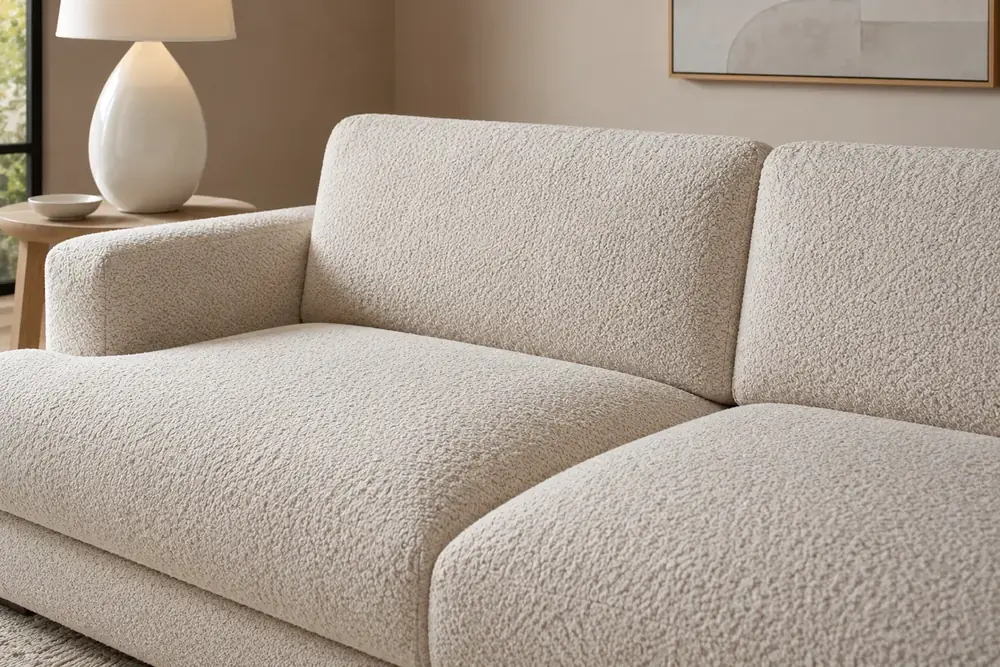
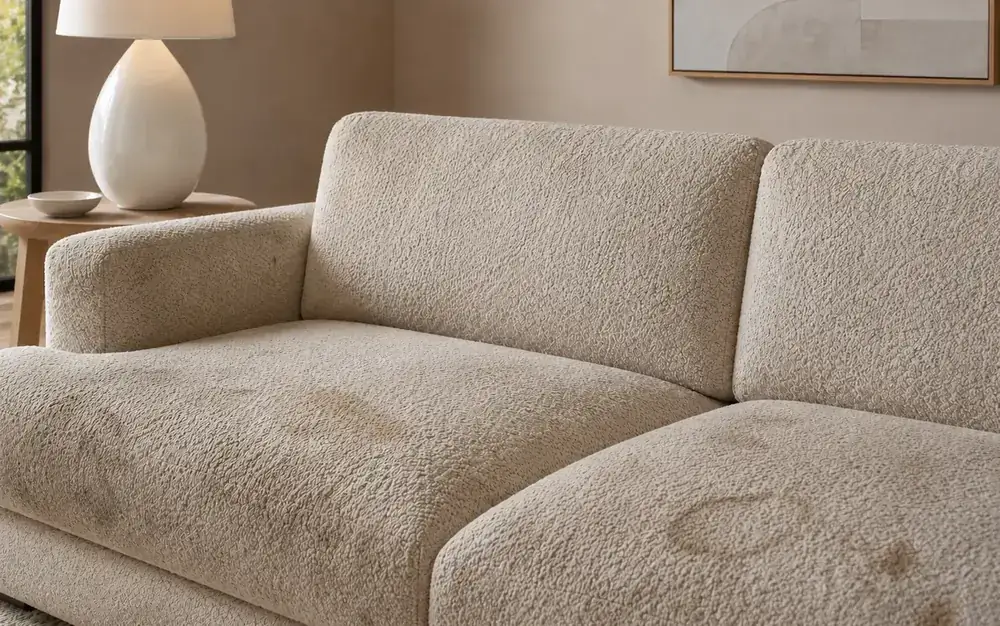
Drag to see the difference
A real result from our couch and upholstery before and afters around Orlando.
When a fabric needs a professional
Some fabrics are worth cleaning yourself and some are not, and the split follows the fiber. Sturdy synthetics with a W code are fair game at home. Velvet, wool, linen, silk, leather and anything delicate or antique are where a wrong move gets costly, because these fabrics crush, shrink, brown or watermark from moisture that a polyester would never notice. The Smithsonian Museum Conservation Institute treats natural and delicate textiles as materials to handle gently and test before cleaning, which is the same caution worth using on a good couch. A missing tag belongs in this group too, since an unknown fabric is a guess you do not want to make with water.
At Pink Upholstery Cleaning we identify the fabric before we touch it and clean each one the way it needs, for homes across Orlando, so a velvet does not get crushed and a wool does not get shrunk in the name of a clean. Our couch and sofa cleaning service covers every fabric type, and every quote is free.
Natalia is the owner of Pink Upholstery Cleaning, a female-owned, insured upholstery, furniture and mattress cleaning business serving Orlando, Florida. She cleans couches, mattresses and chairs across the Orlando area every week, so the advice here comes from hands-on experience, not theory.
Questions, answered
How do I clean different upholstery fabric types?
Match the method to the material. Durable synthetics like polyester take water-based cleaning, natural fibers like cotton and linen and pile fabrics like velvet and wool are moisture-sensitive and need gentler or solvent cleaning, and leather needs its own cleaner. Whatever the fabric, the cleaning code on the tag is the final word.
What is the easiest upholstery fabric to clean?
Polyester and other synthetics. They resist moisture and wear, usually carry a W code, and handle a deeper water-based clean with little risk, which makes them the most forgiving upholstery fabric to live with and to clean.
How do you clean a velvet couch?
Vacuum gently, blot spills the moment they happen, and use a solvent-based cleaner on a barely damp white cloth, dabbing in the direction of the pile so you do not crush it. Velvet distorts and watermarks easily when wet, so many velvet pieces are best left to a professional.
Can you clean wool upholstery with water?
Only very carefully, if at all. Wool is a protein fiber that shrinks and felts with heat and agitation and weakens when it gets wet, so avoid steam and hot water, keep everything cool, and treat it gently. Many wool fabrics are solvent-coded for exactly this reason.
Why does my cotton couch get a brown ring when it gets wet?
Cotton is absorbent, and overwetting pulls the finish or soil to the edge of the damp area, where it dries as a brown ring. Use as little moisture as you can, blot instead of soaking, and dry the spot quickly so the water does not spread and settle.
Which upholstery fabrics should a professional clean?
Velvet, wool, linen, silk, leather and any delicate or antique fabric, along with anything that has lost its cleaning tag. These react badly to the wrong moisture or product, so the smart move is to let a professional identify the fabric and clean it correctly.
Explore our cleaning services
Got a fabric you are not sure how to clean
Get a free, no-obligation quote today. Call or book online and most weeks we have same-week openings across Orlando.
Prefer to call? Lines are open 24/7. You'll get an instant text back, and we reply fast to schedule your visit or send a free quote.