
Upholstery Cleaning Codes (and Why the Letter on Your Tag Decides Everything)
What is in this guide
Upholstery cleaning codes are the single letter, W, S, W-S or X, printed on your furniture tag that tells you exactly what you can clean the fabric with. W means water is fine, S means solvent only, W-S means either works, and X means no liquid at all. Get the letter right and cleaning is simple. Get it wrong and you can shrink, ring or bleed the fabric in seconds.
That one letter is the reason a spot that should have wiped away turns into a permanent water mark, and it is the first thing a professional checks before touching any couch. This guide covers where to find your code, what each of the four means and how to clean by it, and what to do when the tag is missing.
Where the code is and why it exists
The code lives on a small tag, usually tucked under a seat cushion or on the underside of the frame, and it often appears on the original fabric swatch or the sales order too. It is not random. The letters come from a furniture industry standard maintained by the Joint Industry Committee for Upholstery Fabric Standards, and the manufacturer assigns each fabric a code based on what that specific fabric can survive, taking into account the fibre, the dye and any finish applied at the factory. It is the same system professional cleaners work to, alongside the cleaning standards published by the IICRC, which is the certifying body for the cleaning and restoration trade. The logic is simple: the wrong cleaner can shrink a fabric, leave a water ring, or make the dye bleed, and the code exists to stop that before it happens. As the University of Illinois Extension lays out, the sensible approach to any upholstery is to match the cleaner, water-based or a dry solvent, to the fabric, and to pretest whatever you use on a hidden spot.
What each code means
Here is exactly what each of the four codes lets you use, and what to keep away from it.
W means water-based cleaners
A W code means the fabric can take a water-based cleaner. You can work a mild dish-soap-and-water foam gently into a spot with a cloth, blot it, and let it dry. W is the most common code and usually appears on durable synthetics like polyester. Do not soak it, and blot rather than rub so you never spread the spot.
S means solvent only
An S code means solvent only, with no water. Use a water-free dry-cleaning solvent, or a little rubbing alcohol, and never water or steam, which leaves a ring on these fabrics. S codes show up on more delicate or water-sensitive materials. Solvents are flammable, so keep the room ventilated and stay away from open flames.
W-S means water or solvent
A W-S code, sometimes written WS or S-W, is the most forgiving. Either a water-based cleaner or a solvent works, so start with the gentlest option, a mild water-based foam, and only reach for a solvent if the spot resists. A lot of modern upholstery carries this code, which is why so many everyday spills come out at home.
X means vacuum or brush only
An X code is the strictest. It means no liquid cleaners at all, because both water and solvent can shrink, ring or distort the fabric. Clean an X-code piece only by vacuuming and light brushing, and hand anything beyond that to a professional. X often appears on delicate fabrics that simply cannot be wet-cleaned at home.
D and the less common codes
Four codes cover almost everything, but a few others turn up. D means dry clean only, which in practice is a stricter version of S and a job for a professional rather than a bottle from the hardware store. Some manufacturers print SW, which is simply their way of writing WS.
If your tag shows a letter combination that is not on this page, it is almost certainly manufacturer-specific rather than part of the standard, and it may not be a cleaning code at all. Tags often carry fibre content, flammability and factory batch codes on the same label. When a letter is not one of W, S, WS, X or D, treat the piece as S and stay dry until the manufacturer confirms otherwise.
Where the tag is on common brands
The code is on a fabric content or care tag, and manufacturers put it in slightly different places. Work through these in order and you will find it on almost any piece.
- Under a seat cushion. Lift each cushion and check both the cushion itself and the deck it sits on. This is where most makers put it, La-Z-Boy and the large recliner brands included.
- Under the frame. Tip the piece forward or lie underneath it. Sofas and sectionals frequently carry the tag on the underside of the base, near a leg.
- Inside a zipped cushion cover. Unzip and look at the inside seam.
- On a recliner, in the mechanism area. Open the footrest fully and look along the back of the base.
- Not on the piece at all. Check the original sales order, the manufacturer’s website by model name, or the fabric swatch if you kept one. Many makers publish cleanability codes by fabric name.
Identify the fabric, then obey the code
The code tells you what the fabric can take. Knowing what the fabric actually is tells you how it will behave, which is a different and equally useful thing. Start with the fibre-content label, usually on the same tag as the code. If it is missing, your hands will tell you a great deal.
- Short, dense, sheeny pile that flattens as you run a hand across it. Velvet. It crushes, and crushed pile reads as a stain even when it is clean.
- Soft matte nap that holds a handprint. Microfiber or microsuede. Shows every mark, and usually coded S.
- Crisp, slightly rough weave. Linen. Browns readily when over-wetted.
- Soft matte weave. Cotton. Same browning risk as linen.
- Springy and slightly coarse. Wool. Hates heat and alkaline cleaners.
- Smooth hide. Leather, which is not washed at all.
Here is the rule that matters when the two sources of information seem to disagree. The same material can carry a W, an S or an X depending on its backing, its dye and the finish applied at the factory, so identifying the fibre never overrides the tag. Use the fibre to understand the fabric’s weaknesses, and let the code decide whether water is allowed. When they conflict, the code wins. For the method that follows from all this, our guide to cleaning a couch works through each fabric in turn.
When there is no code
Tags go missing, especially on older or secondhand furniture, and a reupholstered piece may never have had one. When there is no code to guide you, treat the fabric as the most cautious of the four and assume water is not an option. The Smithsonian Museum Conservation Institute stresses testing any treatment on a hidden area first, since some fabrics water-spot or bleed the moment they get wet. Start with vacuuming and brushing, try a dry solvent on a hidden spot, and if the fabric looks delicate or the piece is valuable, let a professional identify it. It is exactly the situation our furniture and upholstery cleaning service is built for, because a wrong guess on an unknown fabric is expensive to undo.
Missing tag, or a code that says do not use water
An X code, a missing tag, or a delicate fabric is where guessing gets costly. We read the fabric and clean by the code, every letter and every material, for homes across Orlando, with an honest look at what will lift before we start.
Prefer to call? Lines are open 24/7. You'll get an instant text back, and we reply fast to schedule your visit or send a free quote.
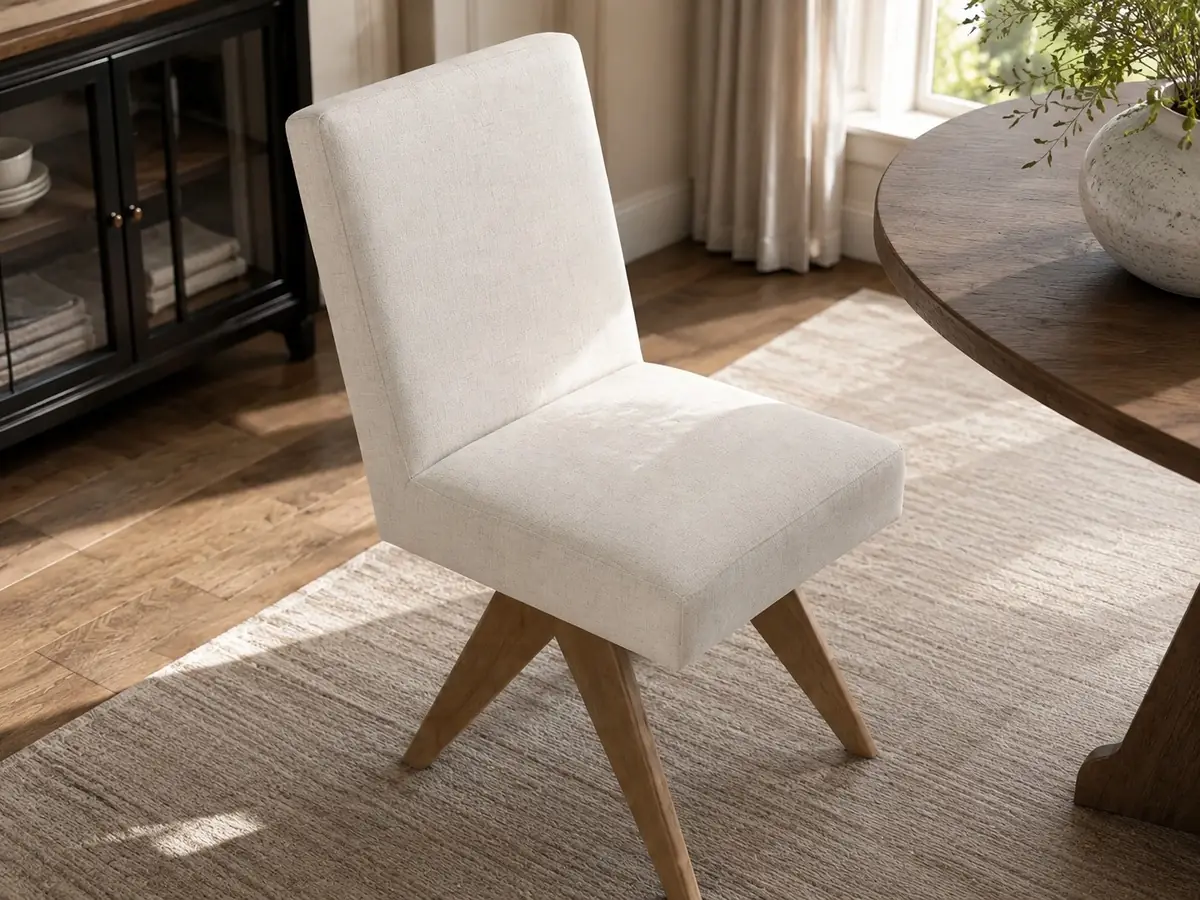
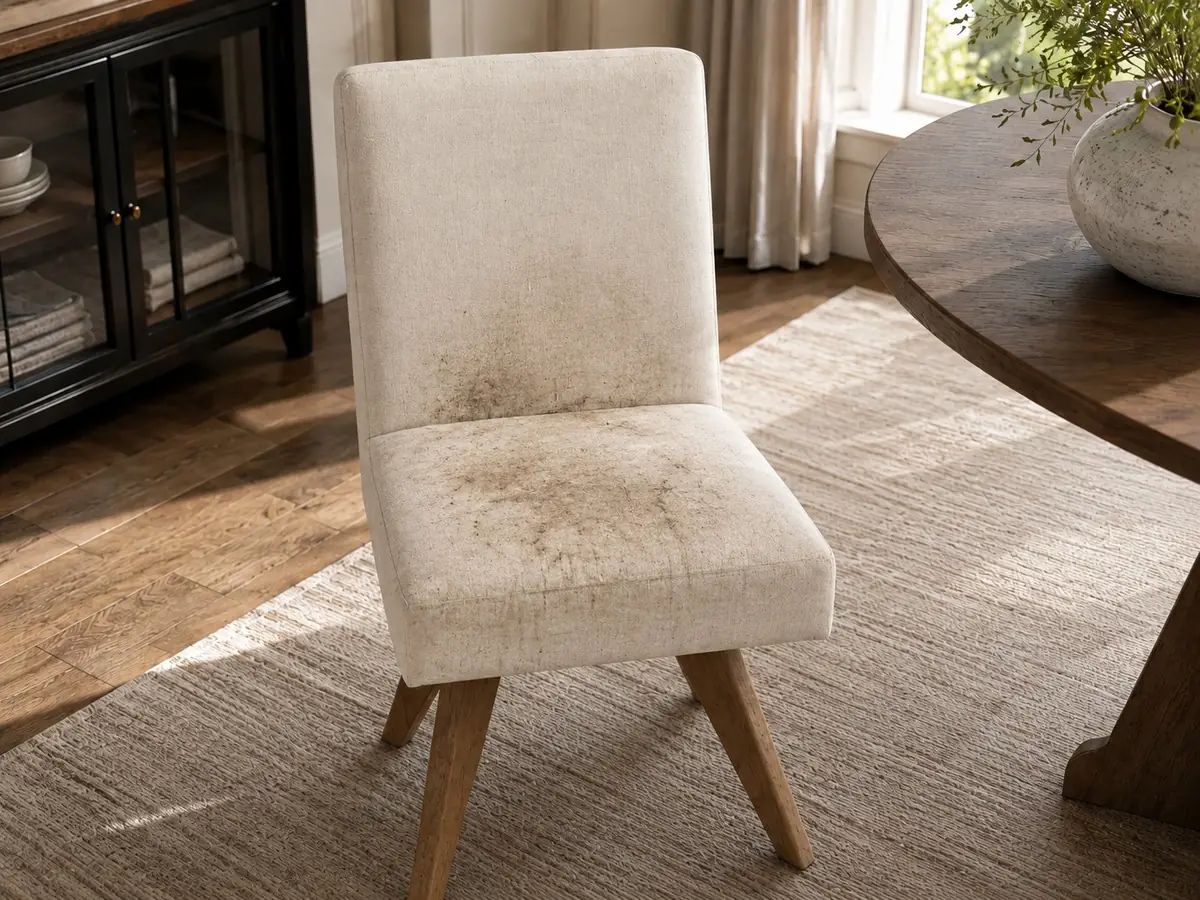
Drag to see the difference
A real result from our upholstery before and afters around Orlando.
When the code says call a professional
Some codes are practically an instruction to get help. An X code, a missing tag, a delicate fabric like velvet or silk, or a stain that will not lift after a careful try are all signs to stop before you cause damage that costs more than the cleaning would have. A professional reads both the fabric and the code, chooses a method that matches, and reaches soil deep in the cushions that surface care never touches, all without the wrong cleaner that rings or shrinks the fabric.
At Pink Upholstery Cleaning we clean by the code for homes across Orlando, matching the method to the letter on the tag so a fabric that can be cleaned does not get water-stained in the attempt. Our couch and sofa cleaning service covers every fabric and every code, and every quote is free.
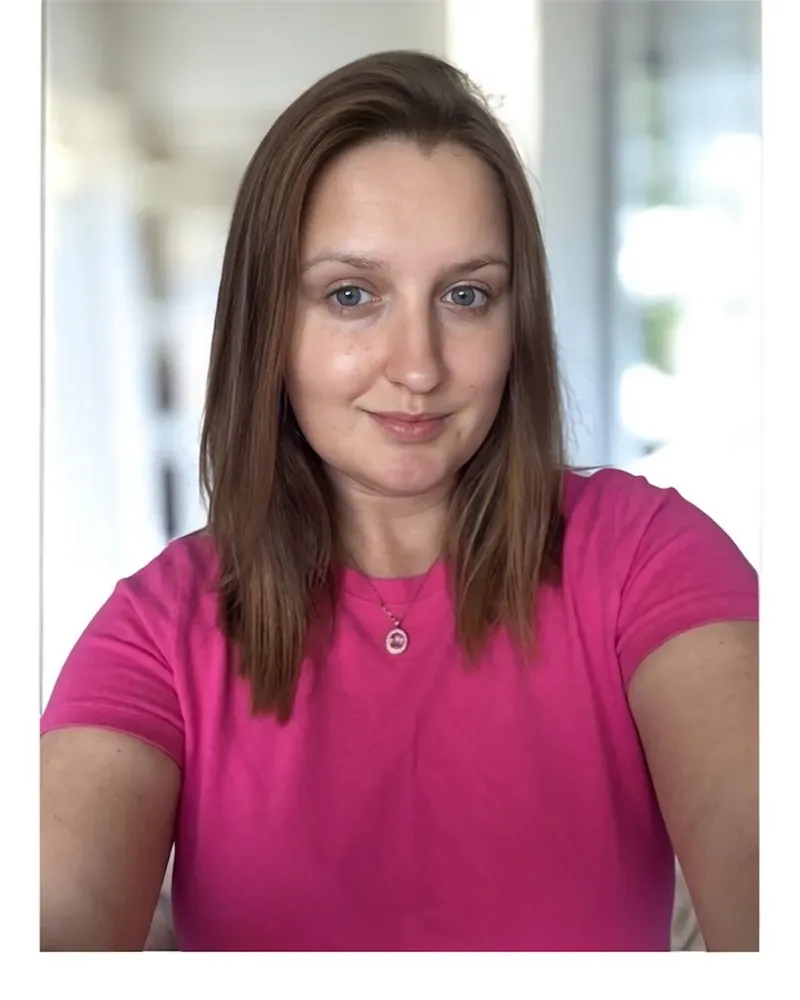
Natalia is the owner of Pink Upholstery Cleaning, a woman-owned, insured upholstery, furniture and mattress cleaning business serving Orlando, Florida. She cleans couches, mattresses and chairs across the Orlando area every week, so the advice here comes from hands-on experience, not theory.
Questions, answered
What does cleaning code W mean?
W means water-based cleaners only. You can use mild dish soap in cool water or a water-based upholstery cleaner, and you should not use dry-cleaning solvents. It is the most forgiving of the codes and the easiest fabric to clean at home.
What does cleaning code S mean?
S means solvent only, with no water. Use rubbing alcohol or a dry-cleaning solvent, and keep water and steam away entirely, because water leaves rings on these fabrics and can shrink some of them. Most microfiber carries an S code.
What is X coded fabric?
X means vacuum and brush only. No liquid should be used on it at all, at home or by a professional, because the fabric cannot take moisture or solvent without damage. Vacuum with an upholstery attachment and hand anything worse to a professional, who may have dry methods available.
Who created the upholstery cleaning codes?
They come from a furniture industry standard maintained by the Joint Industry Committee for Upholstery Fabric Standards. The manufacturer assigns each fabric its code based on what that specific fabric can survive, accounting for the fibre, the dye and any factory finish. Professional cleaners work to the same system alongside IICRC cleaning standards.
Where is the cleaning code on my sofa?
Check under each seat cushion first, then the deck underneath them, then the underside of the frame near a leg. On recliners, open the footrest and look along the back of the base. If there is no tag, check the original sales order or the manufacturer's website by model name.
What do the upholstery cleaning codes mean?
W means clean with a water-based cleaner. S means solvent only, no water. W-S means either water or solvent works. X means vacuum or light brushing only, with no liquid cleaner of any kind. The letter reflects what the fabric can handle without shrinking, ringing or bleeding.
Where do I find the cleaning code on my couch?
Look for a small tag tucked under a seat cushion or on the underside of the frame. The code also appears on the original fabric swatch or sales order. If there is no tag at all, treat the piece as the most cautious of the four codes and keep water away.
What does an S code mean on upholstery?
S stands for solvent, not soap. It means clean with a water-free dry-cleaning solvent or a little rubbing alcohol, and never use water or steam, which leaves a ring on these fabrics. S codes usually appear on more delicate or water-sensitive materials.
What does a code X mean?
X is the strictest code. It means no liquid cleaners at all, because both water and solvent can shrink or distort the fabric. Clean an X-code piece only by vacuuming and light brushing, and hand anything beyond that to a professional.
Can I use water on a W-S code?
Yes. A W-S code means either a water-based cleaner or a solvent works. Start with the gentlest option, usually a mild water-based foam, and only move to a solvent if the spot resists. It is the most forgiving of the four codes.
What if my couch has no cleaning code?
Assume the most cautious approach. Skip water, vacuum and brush the piece, and test a dry solvent on a hidden spot before treating anything visible. If the fabric is delicate or valuable, a professional can identify it and clean it correctly without guessing.
Explore our cleaning services
Not sure what your couch tag is telling you
Get a free, no-obligation quote today. Call or book online and most weeks we have same-week openings across Orlando.
Prefer to call? Lines are open 24/7. You'll get an instant text back, and we reply fast to schedule your visit or send a free quote.