
How to Get Smells Out of a Couch (and Actually Keep Them Gone)
What is in this guide
To get a smell out of a couch you have to treat what is causing it rather than cover it. Vacuum, sprinkle baking soda over the whole piece and vacuum it out, then treat the actual source, an enzyme cleaner for pet smells or thorough drying for a musty one. Air freshener only masks it, so the smell always comes back.
That much is in every guide. Here is the part that decides whether your afternoon works. Odour is a depth problem before it is a chemistry problem. Almost everything you can buy treats the fabric, and most couch smells are not in the fabric. Work out how deep yours is first, and you will know in five minutes whether baking soda is going to fix this or waste your Saturday.
Name the smell, and you find the depth
What a couch smells of tells you what is causing it, and what is causing it tells you how far down it sits. Get close to the cushions and to the deck underneath them, and match what you find.
Sharp, ammonia, catches the back of your throat
Urine, pet or human. Sits in: Foam and often the deck below it.
Sour, rancid, worse on the arms and headrest
Body oil and sweat oxidising. Sits in: Fabric surface and the first few millimetres.
Musty, earthy, like a damp cupboard
Mildew from moisture that never dried. Sits in: Foam, or the underside of the cushion.
Sweet, fermented, slightly like bins
An old milk, juice or food spill souring. Sits in: Wherever it landed, usually deeper than the mark.
Smoky or stale, whole room rather than one spot
Smoke or general household air. Sits in: Every surface, including the frame.
The three depths an odour can live at
A couch is not one surface, it is three, and each needs a different approach. This is why two people can follow the same advice and get opposite results.
- The fabric. Stale air, light body oil, smoke. Everything you can buy reaches here, and baking soda alone often clears it.
- The foam. Urine, soaked spills, mildew from a cushion that never dried. Powders and sprays cannot reach this, no matter how long you leave them. It needs liquid treatment carried in and then pulled back out.
- The deck and frame. The platform under the cushions, where anything that went through the seam ends up. Take the cushions off and smell the deck directly. If the smell is stronger down there than on the seat, you have found it, and no amount of cushion treatment will touch it.
Baking soda, and where it stops working
Baking soda is genuinely the best first move for any couch, because it is dry and works even on a solvent-only fabric. Vacuum first, sprinkle an even layer over the whole piece, work it lightly into the cushions and seams with a soft brush, leave it an hour or two, then vacuum it all up.
What it is doing is absorbing moisture and neutralising odour at the surface. That is also its limit. It is a dry powder sitting on top of a fabric, so it cannot reach foam, and it will not touch anything that soaked in. If you have done this properly and the smell is back within about three days, stop repeating it. The result has already told you the source is deeper than the powder can go.
Getting pet and dog smell out
Pet odour is the most common couch smell there is, which is no surprise. According to the American Veterinary Medical Association, nearly half of U.S. households own a dog and about a third own a cat, and all of them spend time on the couch. The oils and dander a dog leaves behind, and any accident a pet has, cannot be covered with fragrance. They have to be broken down.
After vacuuming and a baking-soda treatment, spot-treat any accidents or greasy patches with an enzyme cleaner on a water-safe fabric. The ASPCA recommends an enzymatic cleaner for pet odor because it digests the odor-causing residue at the source rather than masking it.
One thing about enzymes that packaging rarely makes clear. Enzymes are biological and they only work while they are wet. Spraying a light mist that dries in ten minutes gives them almost no working time, which is the usual reason a treatment seems to do nothing. Apply enough to keep the area damp, cover it with a damp cloth to slow evaporation, and give it several hours. Deep pet urine that has reached the cushions needs the extraction our pet stain and odour removal service provides.
Nearly half of U.S. households own a dog and about a third own a cat, so pet odor is by far the most common couch smell. Source: American Veterinary Medical Association.
Getting a musty smell out
A musty smell is mildew, and mildew is moisture that stayed put. Something spilled and was never dried, a handheld cleaner left the cushion wet, or the room itself is humid enough that the couch never fully dries between uses.
The fix is airflow rather than product. Take the cushions off so both faces are exposed, put a fan on them, and bring the indoor humidity down. A couple of hours of moving air does more than anything in a bottle. Baking soda afterwards absorbs what is left. If the musty smell survives a proper dry-out, the moisture is inside the foam and needs extracting.
Central Florida makes this the local speciality. Indoor humidity here keeps upholstery damp for hours longer than the same job would take in a dry climate, so a cushion that would air out overnight elsewhere can stay damp enough to go musty. It is also why over-wetting a couch is a bigger mistake here than almost anywhere else.
The humid day test
This one is worth knowing because it turns a guess into a diagnosis. If the smell is noticeably worse on humid days, or comes back every time it rains, the source is still in the padding and it is almost certainly urine.
Urine dries into salts, and those salts pull moisture out of the air. As they take on water they release ammonia again, which is why a couch that seemed fine all week announces itself on a wet afternoon. No surface treatment changes this, because the salts are not on the surface. They have to be dissolved and pulled out, which is the whole point of extraction.
Smell keeps coming back no matter what you try
If it returns within a few days, or shows up every humid afternoon, it is below the fabric and no surface treatment will reach it. We extract odour at the source for homes across Orlando, and we will tell you honestly what will clear before we start.
Prefer to call? Lines are open 24/7. You'll get an instant text back, and we reply fast to schedule your visit or send a free quote.
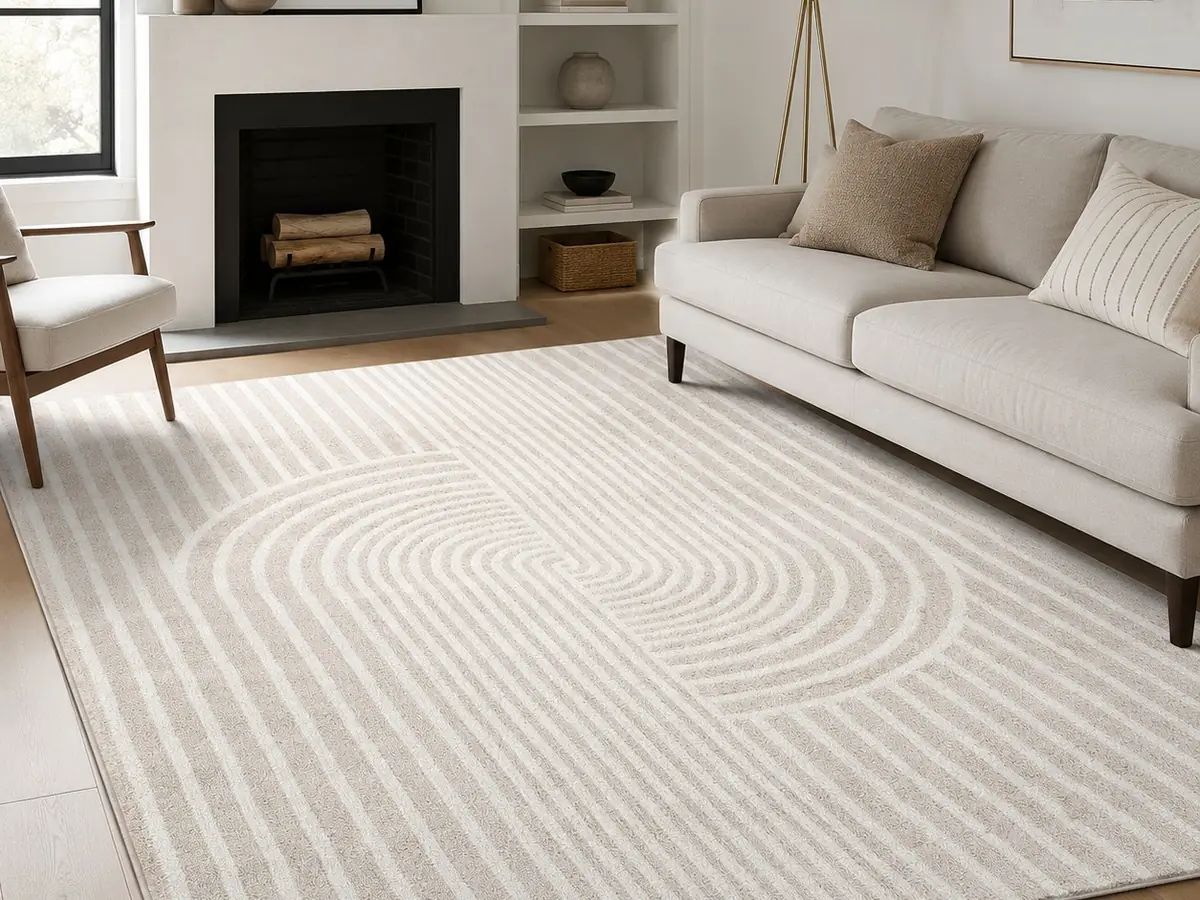
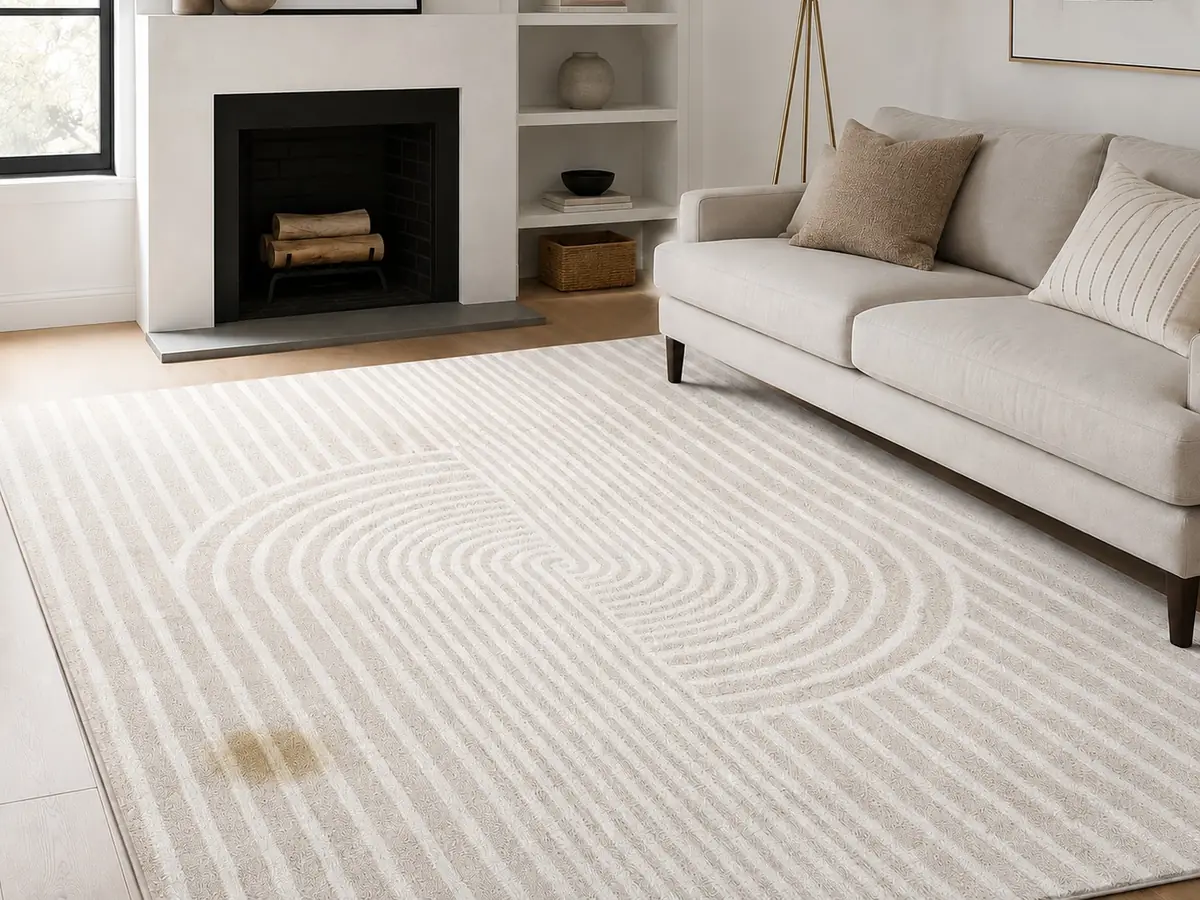
Drag to see the difference
A real result from our couch and sofa before and afters around Orlando.
When it is worth calling someone
Surface odour is genuinely a home job, and most everyday smells clear with a vacuum, baking soda and a good airing. Call when the test results point downward.
- The smell returns within about three days of a proper treatment.
- It is stronger at the deck than on the cushion tops.
- It comes back on humid days, which points to urine salts.
- It is musty and survived a full dry-out with a fan.
- The tag says S or X, so you cannot use the water-based treatments most odour advice assumes.
At Pink Upholstery Cleaning we extract odour at the source for homes across Orlando rather than deodorising the surface and hoping. Couch cleaning starts from $149 with a $115 minimum service, and pet urine treatment is an add-on from $69 because it needs a different approach at a different depth. Our couch and sofa cleaning page has the detail, and every quote is free.

Natalia is the owner of Pink Upholstery Cleaning, a woman-owned, insured upholstery, furniture and mattress cleaning business serving Orlando, Florida. She cleans couches, mattresses and chairs across the Orlando area every week, so the advice here comes from hands-on experience, not theory.
Questions, answered
How do you get smells out of a couch?
Find and treat the source rather than covering it. Vacuum, sprinkle baking soda over the couch and vacuum again to lift everyday odor, then treat the actual cause, an enzyme cleaner for pet smells or thorough drying for a musty one. Air freshener only masks the problem, so the smell always returns.
Why does the smell come back after a few days?
Because you deodorised the fabric and the source is in the foam. Baking soda and sprays only reach the surface, so anything sitting deeper is untouched and works its way back up. If the smell returns within about three days, or returns specifically on humid days, the source is below the fabric and needs extraction rather than another surface treatment.
Why does my couch smell worse on humid days?
Because moisture reactivates odour-causing residue that is still in the padding. Urine salts in particular draw in moisture from the air and release ammonia again as they do. A smell that appears with the humidity and fades when the air dries is telling you the source is still there, deep in the cushion.
How do you get dog smell out of a couch?
Vacuum the couch well, sprinkle baking soda over it, leave it an hour or two and vacuum again, then treat any spots with an enzyme cleaner on a water-safe fabric. The oils and dander a dog leaves behind need to be broken down, not covered with fragrance.
How do you get a musty smell out of a couch?
A musty smell is mildew, and mildew is caused by moisture. Dry the couch completely, air it out with good airflow and a little sunlight, and lower your indoor humidity, because mold and mildew take hold in damp conditions. Baking soda helps absorb the leftover odor.
Does baking soda remove odor from a couch?
For surface odour, yes, and it is the best first step because it is dry and works on any fabric, including a solvent-only one. What it cannot do is reach the foam, so it clears stale everyday smells and plateaus on anything that soaked in.
Can vinegar get smells out of a couch?
Diluted white vinegar helps cut odor on a water-safe fabric. Check the cleaning code first, keep it diluted, and never use it on an S-code or delicate fabric, where water and vinegar can leave a ring.
Explore our cleaning services
Ready to get the smell out for good
Get a free, no-obligation quote today. Call or book online and most weeks we have same-week openings across Orlando.
Prefer to call? Lines are open 24/7. You'll get an instant text back, and we reply fast to schedule your visit or send a free quote.