
How to Clean a Microfiber Couch Without Leaving Water Rings
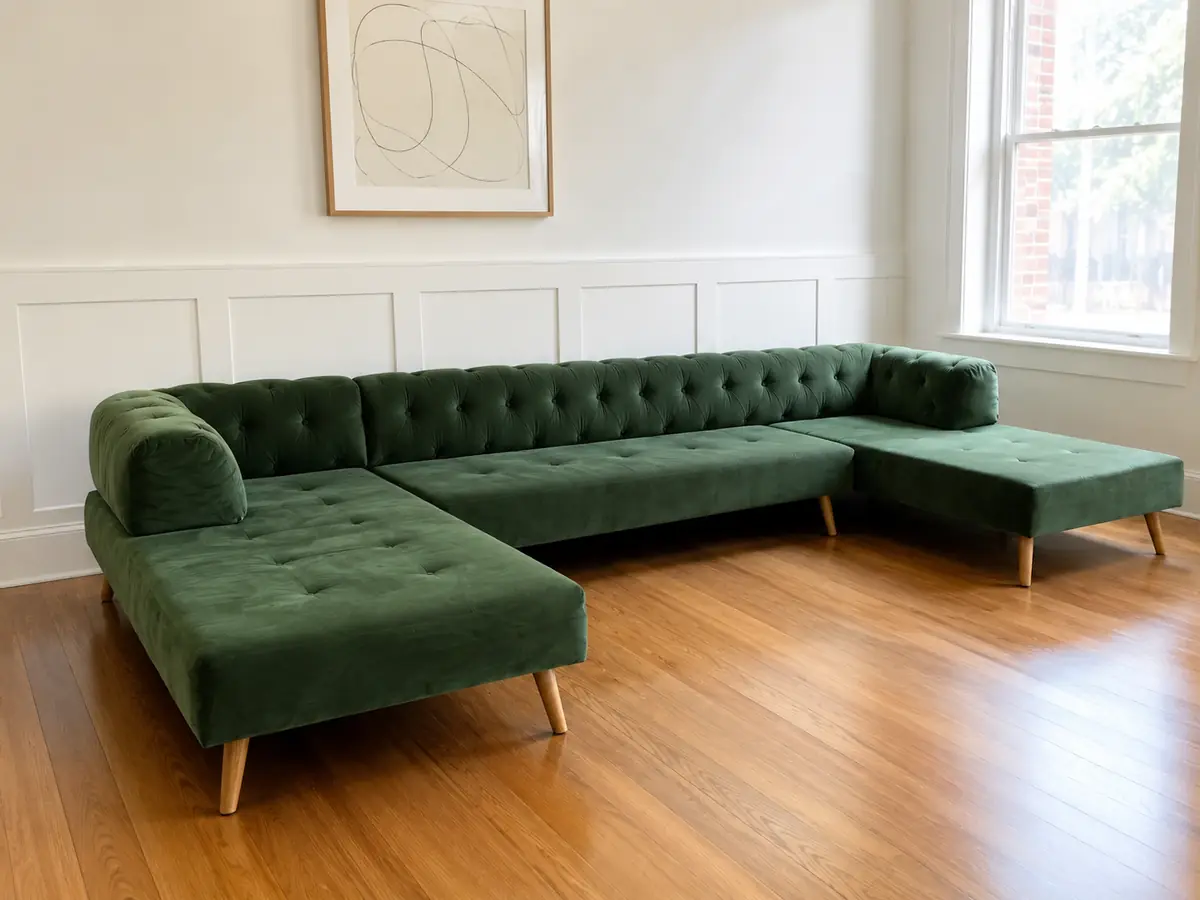
What is in this guide
To clean a microfiber couch, check its cleaning code first, because most microfiber is coded S, which means you should use rubbing alcohol rather than water. Spray the fabric lightly, scrub with a clean light-colored sponge, then brush the pile back up as it dries. The reason water is risky is simple: on S-code microfiber, plain water dries in a ring instead of evaporating evenly.
Microfiber is soft, tough and great with kids and pets, but it shows every mark and it is the fabric people most often ruin with the wrong cleaner. Get the method right and it comes back to looking new. This guide covers how to clean microfiber by its code, how to fix water rings and matted spots, and how to bring the soft texture back.
Check the code first
Before anything else, find the cleaning code on the tag, usually under the seat cushions. On microfiber it is almost always one of these:
- S (solvent only). The most common code on microfiber. Use rubbing alcohol or a dry-cleaning solvent, never water or steam.
- W (water-based). You can use a little mild dish soap in water.
- W/S (either). Both work, so start with the gentler water-based option.
Why microfiber shows every mark
Microfiber earns its name. Each strand is finer than a thread of silk and roughly one-hundredth the width of a human hair, which is what gives microfiber its soft feel and its tight, suede-like surface. That same fineness is why it traps so much dust, pet hair and body oil, and why a drop of water or a smear of grease shows up so easily. The tightly packed fibers also hold onto allergens. The U.S. EPA flags dust mites as one of the most common indoor asthma triggers, and their favorite home is exactly this kind of soft, tightly woven upholstery, so a regular clean does more than keep the couch looking good.
Microfiber strands are finer than silk and about one-hundredth the width of a human hair, which is why they feel so soft, trap so much dust and pet hair, and show water marks so easily. Figures are approximate fiber diameters.
What you will need
- A vacuum with an upholstery attachment
- Rubbing alcohol in a spray bottle (for S-code) or mild dish soap and water (for W-code)
- Clean white or light-colored sponges and cloths, so no dye transfers
- A soft-bristled brush to lift the pile back up
- Baking soda for odor
Cleaning S-code microfiber with alcohol
- Vacuum first. Go over the whole couch with the upholstery attachment to pull out dust, crumbs and pet hair from the pile and seams.
- Mist with rubbing alcohol. Fill a spray bottle with rubbing alcohol and lightly mist the area you are cleaning. Do not soak it, a light, even mist is enough.
- Scrub with a light sponge. Work the area with a clean white or light-colored sponge. The alcohol lifts the soil and dries quickly, and a pale sponge means no color transfers onto the fabric.
- Brush the pile up. As the spot dries, and it dries fast, brush the fibers with a soft brush to fluff the nap back up and blend the cleaned area with the rest.
Cleaning W-code microfiber with soap
If your tag says W or W/S, you can clean with water. Mix a little mild dish soap into warm water, dab it onto a cloth rather than the couch, and work it gently into the fabric, then blot with a clean, barely damp cloth. Keep it light, because even water-safe microfiber can ring if it gets too wet in one spot. Brush the pile up and let it dry fully with good airflow.
How to fix water rings and matted spots
If you already have a water ring, the fix is to make the whole area dry evenly. On an S-code fabric, lightly mist the entire cushion or panel with rubbing alcohol, not just the ring, so it all dries at the same rate. On a W-code fabric, dampen the whole panel evenly with a cloth. Then brush the nap back up with a soft brush while it is still slightly damp. Matted or darkened patches, where the pile has been pushed flat, usually come right back with a good brushing once the fabric is dry.
Stains, grease and smells
Grease and food are microfiber's most common marks, and on an S-code fabric rubbing alcohol lifts most of them, while a dab of dish soap works on a W-code one. Odor is simpler to handle. Baking soda sprinkled on and vacuumed off clears everyday smells, and a pet accident needs an enzyme cleaner on a water-safe fabric, which is what our pet stain and odor removal service handles. The catch with microfiber is that its tightly packed fibers hold moisture, so it has to dry completely or it turns musty, and that is easy to miss in a damp room where University of Florida IFAS Extension puts Florida's average humidity near 74.5 percent.
Water ring you cannot brush out, or a set-in stain
Microfiber is easy to get wrong and hard to undo. If a mark or ring will not lift, we clean microfiber and every other upholstery fabric across Orlando, matching the method to your cleaning code.
Prefer to call? Lines are open 24/7. You'll get an instant text back, and we reply fast to schedule your visit or send a free quote.
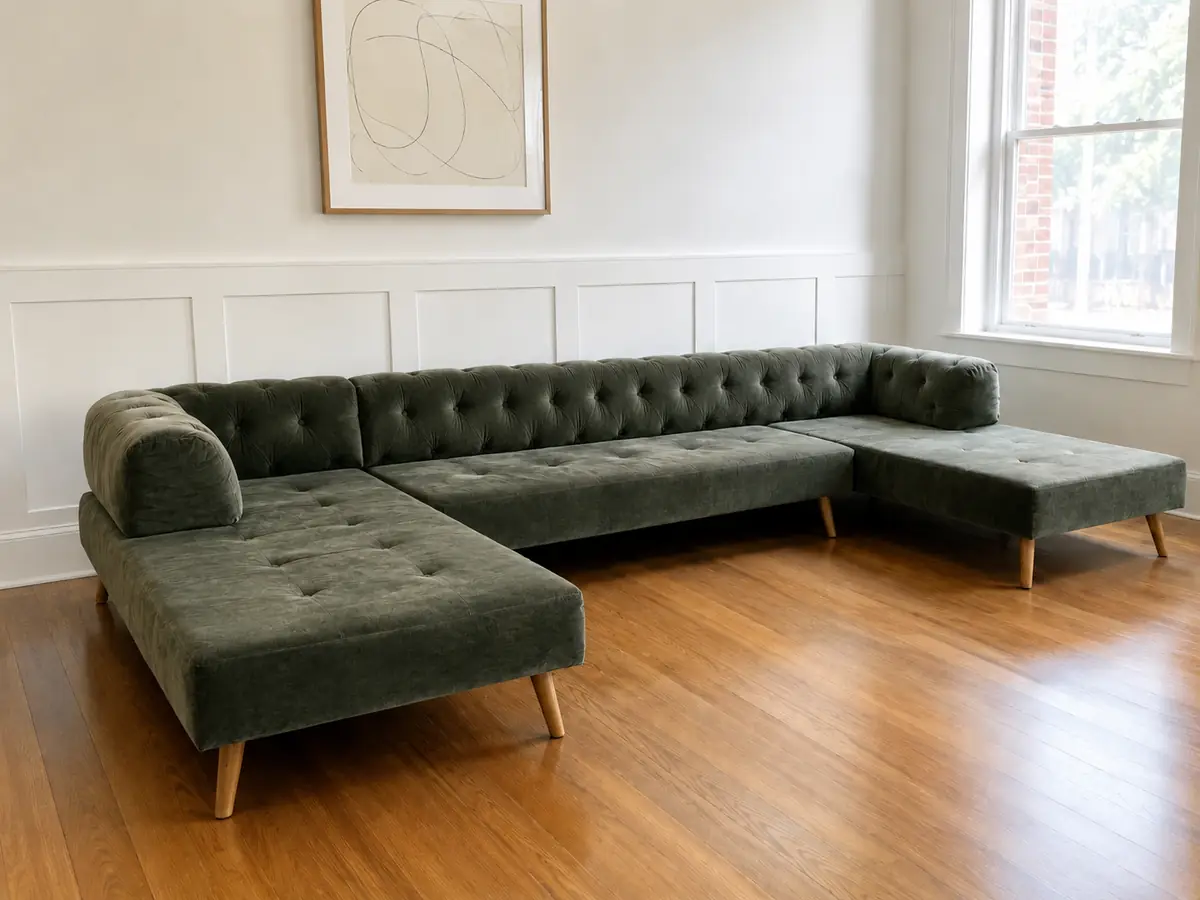
Drag to see the difference
A real result from our couch and sofa before and afters around Orlando.
When to call a professional
Microfiber cleans up well at home once you match the method to the code, but it is worth calling a professional when a water ring or stain will not brush out, when the code is missing and you are not sure what to use, or when you want the whole couch cleaned evenly so there are no patchy spots. A professional cleans the entire piece to a consistent finish and reaches soil deep in the fibers that a sponge cannot.
At Pink Upholstery Cleaning we clean microfiber and every other upholstery fabric for homes across Orlando, matching the right method to your cleaning code so nothing gets ringed or ruined. Our couch and sofa cleaning service handles it from testing to drying, and every quote is free.
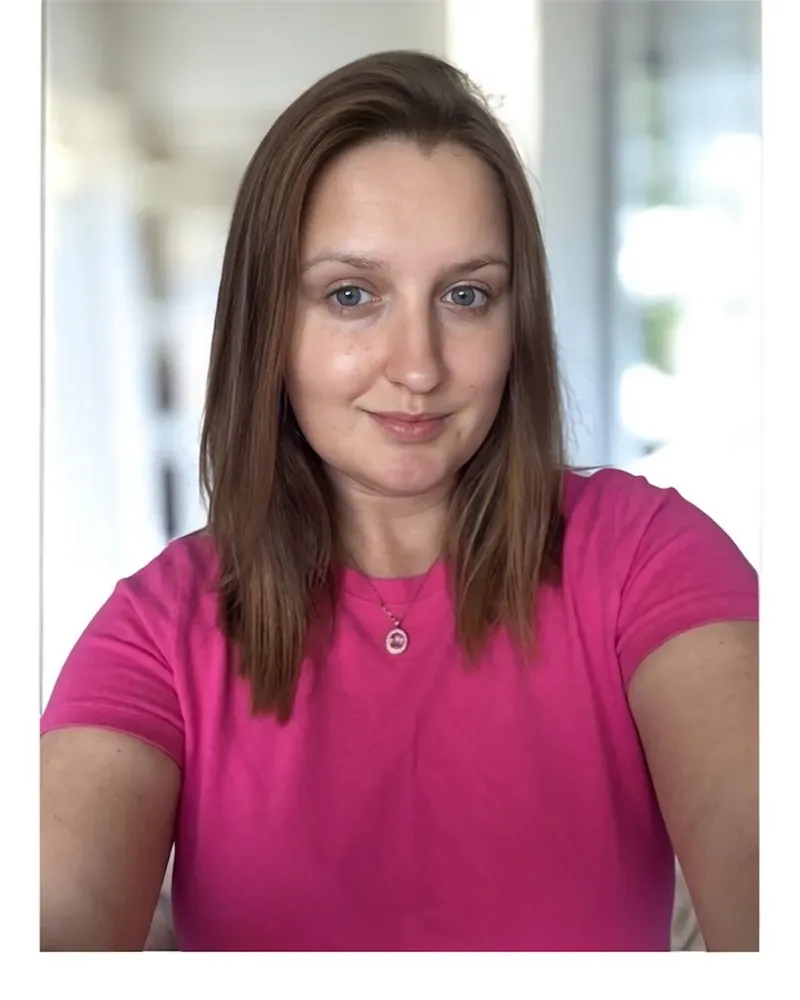
Natalia is the owner of Pink Upholstery Cleaning, a female-owned, insured upholstery, furniture and mattress cleaning business serving Orlando, Florida. She cleans couches, mattresses and chairs across the Orlando area every week, so the advice here comes from hands-on experience, not theory.
Questions, answered
How do you clean a microfiber couch?
Check the cleaning code first. If it is S, spray rubbing alcohol onto the fabric and scrub gently with a white or light-colored sponge, then brush the pile back up as it dries. If it is W, use a little mild dish soap in water instead. Either way, use light moisture, never a soaking, and brush the nap to restore the soft texture.
Why does water leave a ring on a microfiber couch?
Many microfiber couches are coded S, meaning solvent only. Water sits on the tightly woven surface and dries in a ring rather than evaporating evenly, which leaves a visible watermark. Rubbing alcohol is a solvent that dries fast and evenly, so it lifts marks without leaving a ring.
Can you use rubbing alcohol on a microfiber couch?
Yes. On S-code microfiber, rubbing alcohol is the go-to cleaner. Put it in a spray bottle, mist the area, scrub gently with a white or light-colored sponge so no dye transfers, and brush the pile up with a soft brush as it dries.
How do you get water stains out of a microfiber couch?
Re-wet the whole panel evenly instead of just the spot, using rubbing alcohol on an S-code fabric or a damp cloth on a W-code one, so it dries uniformly with no ring. Then brush the nap back up while it is still slightly damp.
How do you clean a microfiber couch without a machine?
You do not need one. A spray bottle, a sponge or cloth and a soft brush are all it takes. Microfiber actually cleans better with light moisture than with a soaking, so a machine is rarely necessary at home.
Can you steam clean a microfiber couch?
Only if the tag is coded W or W/S. Steam is water, so it will ring or damage an S-code microfiber. Always check the code before you put any steam or water near it.
Explore our cleaning services
Want your microfiber couch cleaned the right way
Get a free, no-obligation quote today. Call or book online and most weeks we have same-week openings across Orlando.
Prefer to call? Lines are open 24/7. You'll get an instant text back, and we reply fast to schedule your visit or send a free quote.