
How to Clean a Leather Couch Without Drying It Out
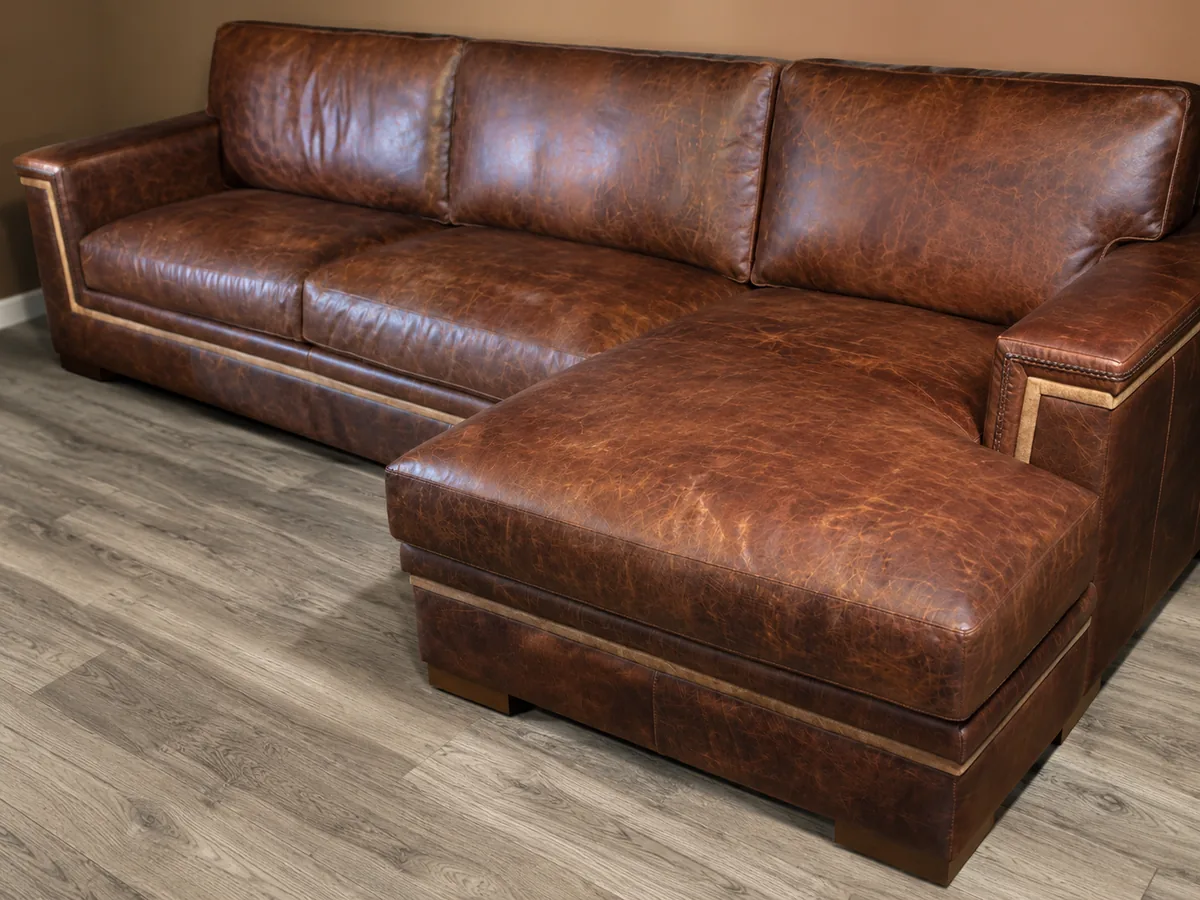
What is in this guide
To clean a leather couch, dust it, wipe it with a barely damp cloth or a dedicated leather cleaner, never soak it or reach for household sprays, and then condition it so it does not dry out and crack. The first step, though, is knowing what kind of leather you have, because that decides how careful you need to be.
Leather is not fabric, so it has no W, S or X cleaning code, and it is not shampooed or extracted the way a fabric couch is. It is wiped, cleaned gently, and then fed with a conditioner. This guide covers how to tell your leather type, the step-by-step clean, how to handle spills, the conditioning that keeps leather from cracking, and when a piece is worth handing to a professional.
First, what kind of leather is it?
Three kinds of leather turn up on couches, and they are not cleaned the same way:
- Protected, or pigmented, leather. The most common by far. It has a surface pigment and a topcoat, which makes it durable and easy to wipe clean. This is the forgiving one.
- Aniline, or unfinished, leather. Natural, soft and dyed all the way through with no protective topcoat, so it looks and feels beautiful but absorbs spills and water-spots easily. It needs the gentlest hand.
- Bonded, or faux, leather. Not real leather at all, but a backing coated with a thin leather-like layer. It wipes clean, but it tends to peel and flake after a few years, and once that starts, no cleaning reverses it.
A drop of water on a hidden spot tells you which you have: it beads up on protected leather and soaks in, darkening the spot, on aniline. Bonded leather usually feels a little plasticky and shows peeling at the seams. Knowing the type matters, because the Smithsonian Museum Conservation Institute treats leather as a material that needs gentle handling and stable conditions to keep it from drying and cracking, and unfinished leather is far less forgiving than a finished one.
How to clean a leather couch step by step
This is the routine for a protected leather couch, which is what most people have. For aniline, use even less moisture, test first, and lean toward a professional. Work one section at a time so nothing stays wet.
- Dust and vacuum. Wipe loose dust with a dry microfiber cloth, and use a soft brush vacuum attachment to lift grit out of the seams and creases where it grinds at the surface.
- Wipe it down. Go over the couch with a cloth wrung out in plain water, barely damp, to lift the everyday film of body oils and dust.
- Clean gently. Use a dedicated leather cleaner, or a small amount of mild soap in water on protected leather, worked in with a wrung-out cloth in gentle circles, section by section. Never soak the leather or let water pool in the seams.
- Dry it. Wipe each section with a clean, dry cloth and let the couch dry fully before the next step. Do not use a hair dryer or put it in the sun to speed things up.
- Condition. Once it is dry, work a leather conditioner over the whole couch to put the oils back. This is the step that keeps it soft and stops it cracking.
Spills and stains on leather
The rule with leather is the same as with fabric: get to it fast and blot, never rub. On protected leather, a water-based spill usually wipes right off if you catch it, which is the whole point of that topcoat. Grease and oil are the tricky ones, because you cannot flood leather with water to rinse them, so blot up what you can, and on some leathers a little cornstarch left to absorb the oil helps before you wipe it away. Ink is the hardest of all: it wants a leather-specific ink remover, a careful test on a hidden spot, and often a professional, because the wrong product lifts the color along with the ink. Be honest with yourself about aniline leather, too, where a spill that has soaked in may simply be permanent.
Condition it, and what to avoid
Conditioning is not optional if you want a leather couch to last. Apply a leather conditioner every six to twelve months, and always after a clean, since cleaning strips some of the oils along with the dirt. Keep the couch out of direct sun and away from heat vents and radiators, all of which dry leather out and fade it over time.
What ruins leather is almost always something people reach for thinking it will help. Skip ammonia, bleach and household all-purpose sprays, skip rubbing alcohol except as a careful spot treatment on finished leather, and skip baby wipes, which often carry ingredients that break the finish down. Do not soak the leather, do not scrub hard enough to abrade the surface, and do not use heat to dry it. Gentle and dry, followed by conditioner, is the whole formula.
When to call a professional
Everyday cleaning and conditioning of protected leather is well within reach at home. It is worth calling a professional when the couch is aniline or another delicate, unfinished leather, when you are dealing with ink or a dye-transfer stain, when the leather is drying, cracking or fading and needs restoration rather than cleaning, or when a bonded piece is peeling and you want an honest opinion on whether it is worth saving. A professional reads the leather, uses products matched to it, and cleans and conditions without the guesswork that gets leather ruined.
At Pink Upholstery Cleaning we clean and condition leather furniture, alongside every fabric, for homes across Orlando, and we will tell you honestly what a piece needs before we start. Our couch and sofa cleaning and furniture cleaning services both cover leather, and every quote is free.
Leather that is drying out, staining, or you are not sure how to treat
Leather is easy to ruin with the wrong product and hard to bring back once it cracks. We clean and condition leather furniture across Orlando, reading the leather first, with an honest look at what it needs and a free quote before we start.
Prefer to call? Our AI receptionist answers 24/7 and can schedule your visit on the spot.
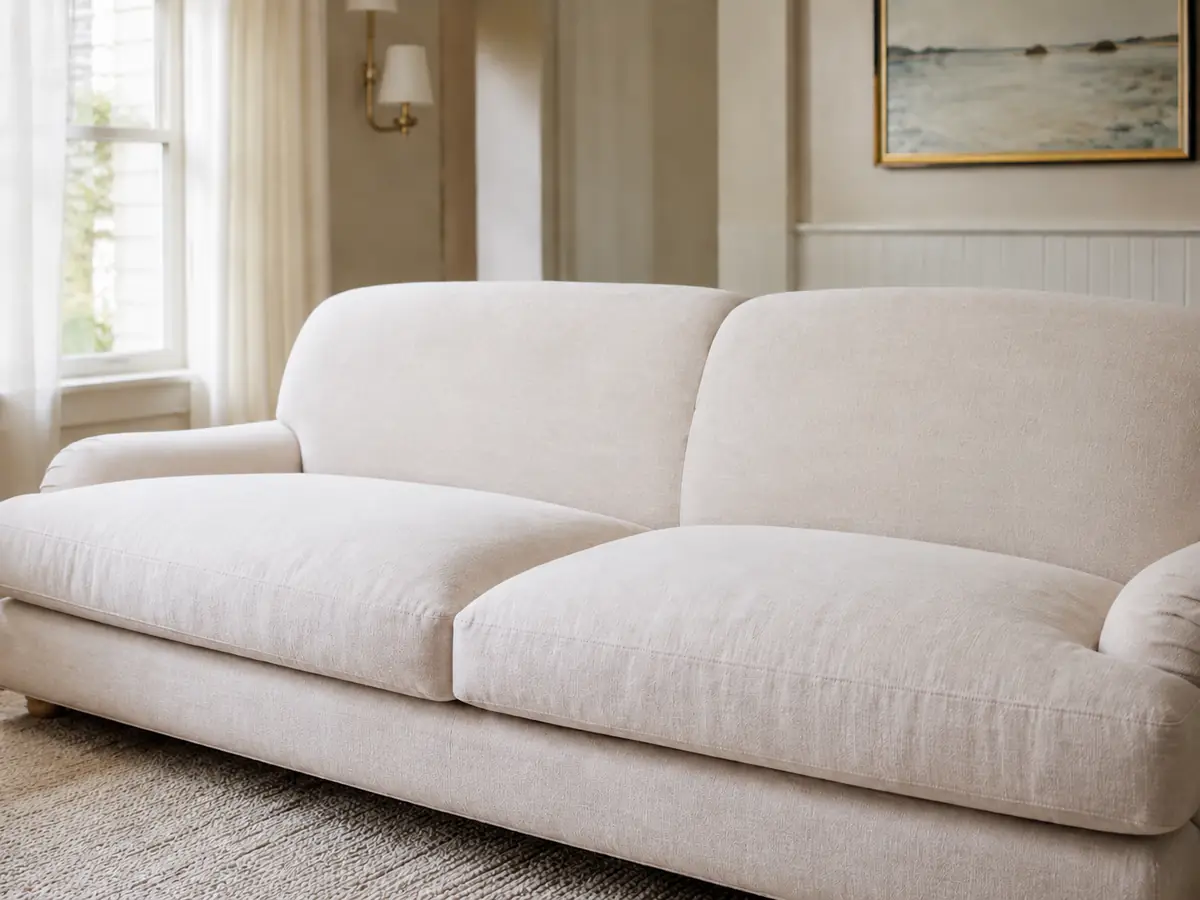
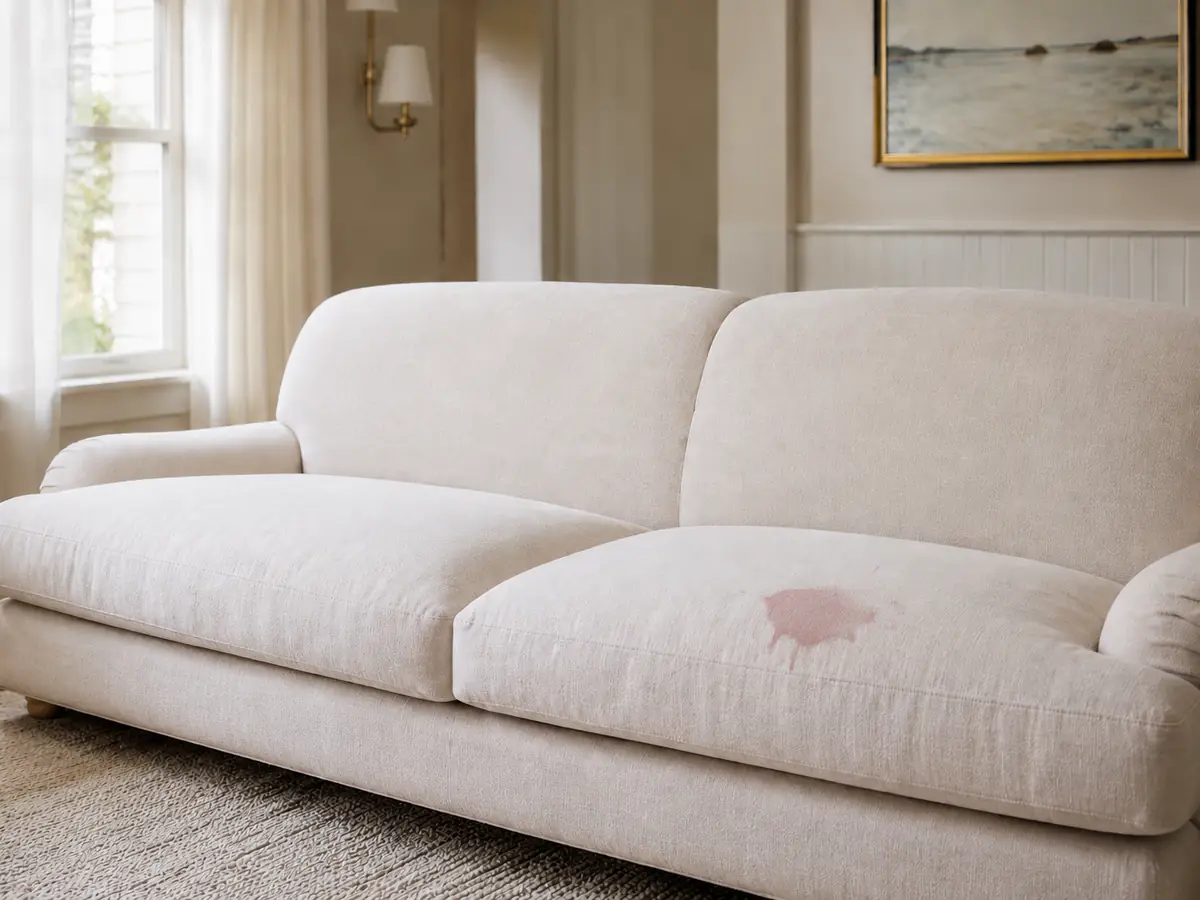
Drag to see the difference
A real couch and upholstery cleaning result from our before and afters around Orlando.

Natalia is the owner of Pink Upholstery Cleaning, a female-owned, insured upholstery, furniture and mattress cleaning business serving Orlando, Florida. She cleans couches, mattresses and chairs across the Orlando area every week, so the advice here comes from hands-on experience, not theory.
Questions, answered
How do you clean a leather couch?
Dust it, wipe it with a barely damp cloth, then clean with a dedicated leather cleaner, or a little mild soap and water on protected leather, using a wrung-out cloth in small sections and never soaking it. Dry it with a clean cloth, then condition it. Find out first whether your couch is protected, aniline or bonded leather, because that changes how careful you have to be.
What kind of leather is my couch?
Most furniture is protected (pigmented) leather, which has a topcoat and wipes clean easily. Aniline leather is natural and unfinished, so it absorbs and water-spots and needs gentler care. Bonded leather is not real leather and tends to peel over time. A drop of water on a hidden spot tells you a lot: it beads on protected leather and soaks into aniline.
Can you use water to clean a leather couch?
A barely damp cloth is fine on protected leather, but never soak leather or flood it with water, and be extra careful on aniline, which water-spots easily. Skip household sprays, alcohol and ammonia, which strip the oils that keep leather soft and lead to cracking.
How do you keep a leather couch from cracking?
Condition it. Leather is skin, and it dries out and cracks without its oils replaced, so apply a leather conditioner every six to twelve months, especially after cleaning. Keep the couch out of direct sun and away from heat vents, which dry it out and fade it.
How do you get a stain out of leather?
Blot spills right away without rubbing. Water wipes off protected leather, grease should be blotted and drawn out rather than flooded with water, and ink usually needs a leather-specific remover, a careful test, and often a professional. On aniline leather, some stains soak in and can be permanent.
Can bonded or faux leather be cleaned the same way?
You can wipe it with a damp cloth and a gentle cleaner, but bonded leather is a backing coated with a thin leather-like layer, and once it starts to peel or flake, cleaning will not fix it. Clean-and-condition care helps real leather last for years; bonded leather has a limited life no matter what you do.
Explore our cleaning services
Want your leather couch cleaned and conditioned
Get a free, no-obligation quote today. Call or book online and most weeks we have same-week openings across Orlando.
Prefer to call? Our AI receptionist answers 24/7 and can schedule your visit on the spot.