
How to Clean a Couch Without Ruining the Fabric
What is in this guide
To clean a couch, find the cleaning code on the tag first, vacuum thoroughly including the seams and under the cushions, spot-treat any marks, then clean the whole piece with mild dish soap in cool water on a W-code fabric or rubbing alcohol on an S-code one. Blot rather than soak, and dry it fast.
The method barely changes from couch to couch. What changes is the fabric, and getting that wrong is what turns a clean into a repair. This guide covers the code system, the clean itself, then the specifics for microfiber, suede, velvet and cotton, and for the pieces that behave differently, recliners, dining chairs and sectionals.
Start with the tag, always
Every upholstered piece carries a cleaning code, usually on a tag under a seat cushion or beneath the frame. It is one letter and it decides everything that follows.
Water-based cleaners are fine
Mild dish soap in cool water. The most forgiving code and the easiest to clean at home.
Solvent only, no water
Rubbing alcohol or a dry-cleaning solvent. Water leaves rings on these, so this is the code that catches people out.
Either works
Start with the gentler water-based option and keep solvent in reserve.
Vacuum only
No liquid of any kind, at home or otherwise. Brush and vacuum, and hand anything worse to a professional.
The clean itself, step by step
- Vacuum properly. Cushions off, crevice tool into every seam, and the deck underneath. Grit left in the fabric turns into abrasive mud the moment it gets wet.
- Spot-treat first. Deal with individual marks before the general clean, so you are not spreading them across the whole panel.
- Clean by the code. A light dish-soap-and-cool-water foam on W, rubbing alcohol on S. Work a panel at a time so nothing sits wet while you finish the rest.
- Take out more than you put in. Press a dry cloth into the fabric and lift, repeatedly, until it comes up barely damp. This step decides your result more than the product does.
- Dry it fast. A fan on the cushions and the air conditioning running.
- Brush the pile. On any napped fabric, brush in one direction while slightly damp so it dries evenly rather than patchy.
Watching TV is the single biggest leisure activity, about 2.6 hours a day and roughly half of all leisure time, and most of it happens on the couch. Source: U.S. Bureau of Labor Statistics, American Time Use Survey.
By fabric: microfiber, suede, velvet, cotton
Microfiber
The most common upholstery fabric in American homes and the one most often ruined by the wrong cleaner. Most microfiber is coded S, which means rubbing alcohol rather than water. Spray lightly, scrub with a clean light-coloured sponge, and brush the pile back up as it dries. On S-code microfiber, plain water dries in a ring rather than evaporating evenly, which is exactly why so many microfiber couches end up blotchy after a well-meant clean.
Each microfiber strand is finer than silk, around a hundredth the width of a human hair, which is what gives it that soft suede-like surface and also why it traps dust, pet hair and body oil so readily. Those tightly packed fibres hold allergens too. The U.S. EPA lists dust mites among the most common indoor asthma triggers, and soft tightly woven upholstery is their preferred home.
Water rings and matted patches. Both are fixable. For a ring, re-wet the whole panel evenly with alcohol on an S code so it dries at one rate, rather than trying to blend the edge. For matting, brush the pile in one direction with a soft brush while it is barely damp.
Suede, and the question that changes everything
Before you touch a suede couch, establish whether it is real suede or microsuede. They look almost identical and they are cleaned in opposite ways.
- Real suede is genuine leather, the napped underside of a hide. The nap is slightly uneven, it feels warm, and the tag usually says S or X. Water stains it on contact.
- Microsuede is polyester woven to imitate it. It feels more uniform, and often carries a W or S code, so water is sometimes allowed.
With no tag, assume real suede and stay dry. The Smithsonian Museum Conservation Institute treats leather and suede as water-sensitive materials cleaned dry and kept away from moisture, which is the principle behind the whole method.
Real suede is cleaned dry from start to finish. Vacuum, then run a suede brush over the piece to lift dirt out of the nap. Rub a suede eraser gently over scuffed or shiny spots and brush again. For an oily patch, sprinkle cornstarch or talc, leave it an hour or two to draw the oil out, then brush it away and repeat if needed. Microsuede follows the microfiber method above, according to its code.
Velvet and chenille
Both are pile fabrics, so direction matters more than chemistry. Work with the nap rather than against it, use as little moisture as the code allows, and brush the whole panel one way as it dries. Crushed pile reads as a stain even when the fabric is perfectly clean, because the fibres catch the light differently.
Cotton, linen and other natural fibres
These clean easily and punish over-wetting more than anything else. Natural fibres contain tannins that migrate when they get wet, so a soaked cotton sofa can dry with a yellow-brown cast that was not there before. Keep the moisture minimal, blot hard, and dry fast.
Leather
Leather is not cleaned like fabric and it is not something we take on. Wipe it with a barely damp cloth, use a dedicated leather cleaner and conditioner, and keep it out of direct sun. Anything beyond routine wiping is worth handing to a leather specialist rather than a general upholstery cleaner.
By piece: recliners, dining chairs, sectionals
Recliners
A recliner is two cleaning jobs in one, the surface you can see and the mechanism full of crumbs underneath it. Recline it fully with the footrest up, which exposes the sides of the seat, the footrest and the gaps around the mechanism where crumbs, coins and pet hair collect, and run a crevice tool through every fold and hinge. Clearing that grit also stops it working into the mechanism over time.
On a power recliner, unplug it first and keep both your hands and any liquid clear of the motor and wiring. Then clean the surfaces by code, giving the headrest and arms the most attention. A recliner is where people sit longest, head back and arms down, so those spots collect a concentrated film of body oil and hair product and darken long before the rest of the chair. On a water-safe fabric that needs dish soap to cut the oil; on an S code it needs solvent.
Fabric dining chairs
Turn one over before you start. On a great many sets the seat pad is held by four screws and lifts straight off, which lets you take it outside, reach the edges and underside, and clean it flat without soaking the frame. The cleaning code is often on a tag under that same seat.
Dining chairs also collect something a couch does not, which is airborne cooking grease. That film is why water alone often will not shift the build-up, and why a water-safe seat usually needs a little dish soap to break it down. Dry the pad off the frame with airflow before it goes back on.
Sectionals
Same method, more of it, and one addition. Separate the sections and clean the inside faces that press together, because that is where crumbs and spilled drink collect and it is the part a surface clean never reaches. A sectional also holds far more moisture than a sofa, so drying takes real effort. Our sectional cleaning page covers how these are handled piece by piece.
Drying, and why it decides the result
More home cleans are spoiled at this step than at any other. If more water goes into the cushion than comes back out, the excess soaks into the foam, and as it dries it travels back up to the surface carrying dissolved soil with it. That is wicking, and it is why a couch can look excellent while damp and blotchy the next morning.
Central Florida makes it worse. Indoor humidity here keeps upholstery damp for hours longer than the same job would take in a dry climate, so a cushion that would air out overnight elsewhere can still be damp the following day, which is long enough to start smelling musty. Dry passes, a fan and the air conditioning are not optional here.
Fabric you are not sure about, or a couch worth getting right
If the tag says S or X, has worn away, or the soiling has gone past the surface, we read the fabric before anything touches it. We clean couches of every type across Orlando and every quote is free.
Prefer to call? Lines are open 24/7. You'll get an instant text back, and we reply fast to schedule your visit or send a free quote.
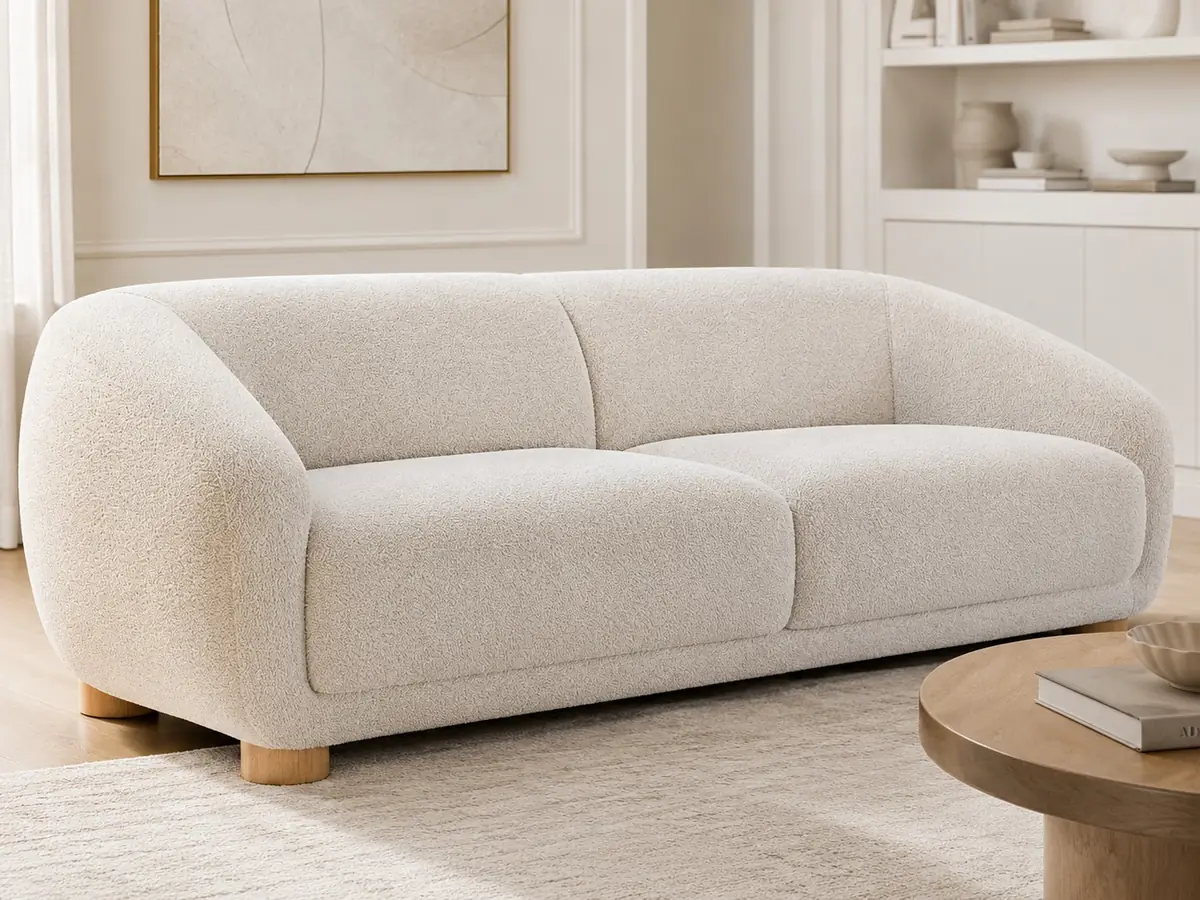
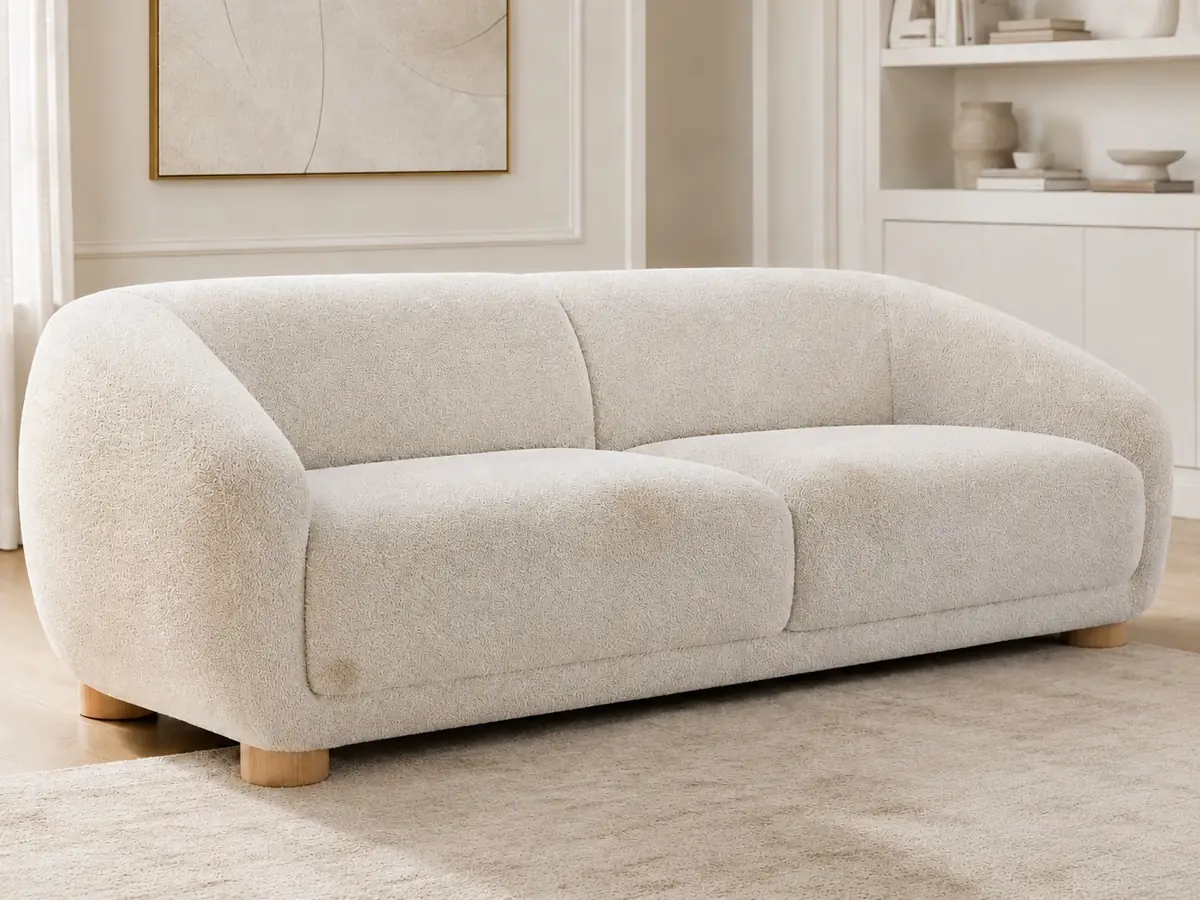
Drag to see the difference
A real result from our couch and sofa before and afters around Orlando.
When it is worth calling someone
- The tag says S or X, or there is no tag and the piece matters.
- It dried blotchy after a previous clean, which means moisture reached the foam.
- There is urine involved, where the visible mark is the smallest part of the problem.
- Body oil has darkened the headrests and arms, which needs heat and solvent rather than detergent.
- It has been years, so the soil is in the foam and a surface pass will wick it back up.
At Pink Upholstery Cleaning we clean couches, sectionals, recliners and dining chairs for homes across Orlando. Sofas start from $149 with a $115 minimum service, stain treatment is part of the clean rather than an extra line, and pet urine treatment is an add-on from $69. Our couch and sofa cleaning page has the full detail, and every quote is free.
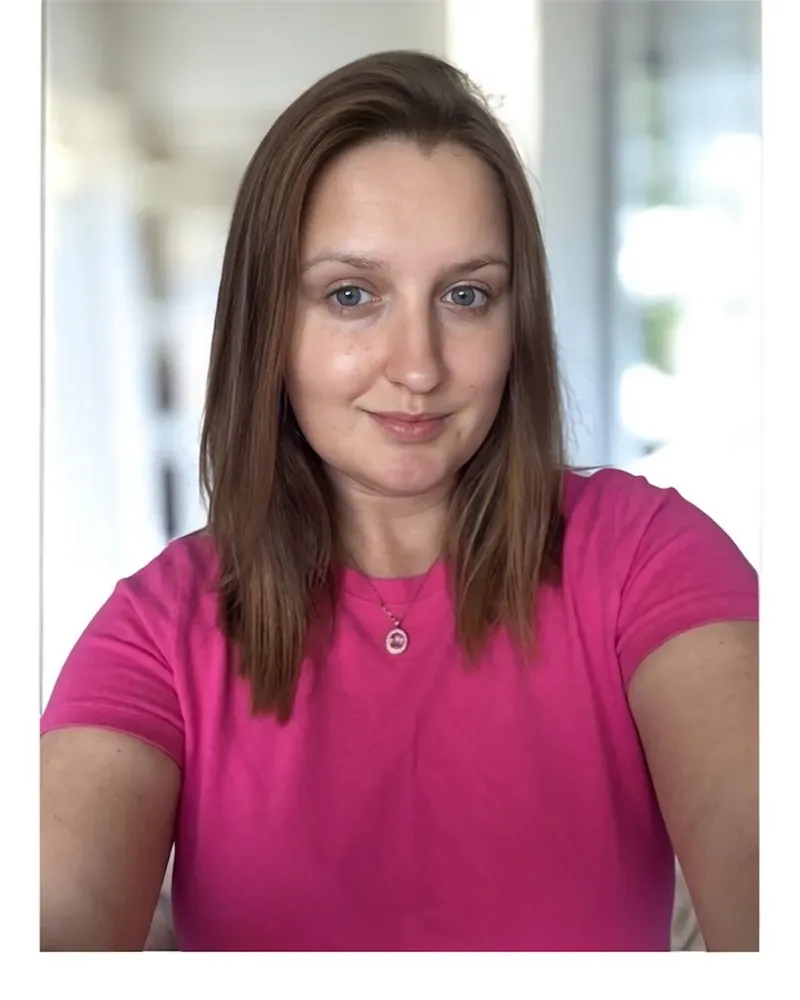
Natalia is the owner of Pink Upholstery Cleaning, a woman-owned, insured upholstery, furniture and mattress cleaning business serving Orlando, Florida. She cleans couches, mattresses and chairs across the Orlando area every week, so the advice here comes from hands-on experience, not theory.
Questions, answered
How do you clean a couch?
Find the cleaning code on the tag first, because it decides everything else. Vacuum thoroughly including the seams and under the cushions, spot-treat marks, then clean the whole piece with a mild dish-soap-and-water solution on a W-code fabric or rubbing alcohol on an S-code one. Blot rather than soak, and dry it fast with a fan.
How do you clean a microfiber couch?
Check the code, because most microfiber is coded S, which means rubbing alcohol rather than water. Spray lightly, scrub with a clean light-coloured sponge, and brush the pile back up as it dries. On S-code microfiber plain water dries in a ring instead of evaporating evenly, which is why so many microfiber couches end up blotchy.
How do you clean a suede couch?
First work out whether it is real suede or microsuede, because they are cleaned in opposite ways. Real suede is leather, so it is cleaned entirely dry with a suede brush and eraser and never with water. Microsuede is polyester and usually takes a solvent or, on a W code, a water-based clean.
How do you clean a recliner?
Open it fully and vacuum the crumbs out of the mechanism first, then concentrate on the headrest and arms where body oils build up. Clean the fabric by its code, and on a power recliner unplug it and keep all liquid away from the motor and wiring.
How do you clean fabric dining chairs?
Turn a chair over first, because on many sets the seat pad unscrews and lifts off, which makes the whole job easier. Vacuum, spot-treat the food and grease, then clean by the code. Dining chairs also collect airborne cooking grease, so a water-safe seat usually needs dish soap rather than water alone.
Can you steam clean a couch?
Only on a W or WS fabric, and never on S or X. Even where steam is allowed, heat sets protein stains like blood and milk permanently, so treat those first with cool water and an enzyme. Steam also puts a lot of moisture into the foam, which is the main cause of rings and musty smells afterwards.
How often should you clean a couch?
Every 12 to 18 months for normal use, and every 6 to 12 months with pets, small children or anyone who eats on the sofa. Cleaning before it looks dirty is much easier, because soil that has been ground into the fibres is far harder to lift than soil sitting on them.
Why did my couch dry blotchy after I cleaned it?
You most likely used more water than you removed. The excess soaked into the foam and, as it dried, travelled back up to the surface carrying dissolved soil with it. That is wicking. Use less liquid, blot out more than you put in, and dry the cushion fast with a fan.
Explore our cleaning services
Rather have it done properly
Get a free, no-obligation quote today. Call or book online and most weeks we have same-week openings across Orlando.
Prefer to call? Lines are open 24/7. You'll get an instant text back, and we reply fast to schedule your visit or send a free quote.