
How Steam Cleaning Upholstery Works (and When to Skip It)
What is in this guide
Steam cleaning is mostly the wrong name
Almost everything sold as steam cleaning for upholstery is actually hot water extraction, and the difference explains most of the confusion around it.
- True steam cleaning applies vapour to the fabric. It adds moisture and has no way of taking it back out.
- Hot water extraction sprays heated cleaning solution into the fabric and vacuums it straight back out in the same pass. It removes more than it puts in.
People search for steam cleaning, so that is what the industry calls it. But if you remember one thing from this page, make it that the vacuum is doing the work. It is also why a handheld steamer, which has no extraction at all, leaves people disappointed.
How hot water extraction actually works
- Vacuum first. Dry soil comes out dry. Anything left in the fabric turns to mud the moment it gets wet.
- Pre-treat. A solution matched to the fabric and the soiling is worked in and given a few minutes to break the bond between soil and fibre.
- Spray and extract in one pass. Heated solution goes in under pressure and is pulled back out immediately by a vacuum, carrying the loosened soil with it.
- Dry passes. Repeated passes with no solution, purely to pull out remaining moisture. This is the step that decides how the piece looks the next morning.
- Airflow. Air movers on the cushions so the fabric dries in hours rather than overnight.
What the heat is really for
Not sterilising, mostly. Heat dissolves oil. Body oil, hair product and food grease build up on headrests, arms and seat fronts, and cold water genuinely cannot shift them because oil does not dissolve in cold water. That is why a cold home clean can leave a sofa looking better everywhere except exactly the places that bothered you.
For reference, ours is a Mytee Lite 8070, a four gallon heated extractor run with a four inch upholstery tool. The specifications that matter on any machine like it are the two above, whether it heats the solution and how hard it pulls, rather than tank size or the number of attachments in the box.
The secondary benefit is real too. The temperatures involved kill dust mites living in soft furnishings, and the extraction removes the allergen along with the soil rather than redistributing it.
A National Survey of Lead and Allergens in Housing found dust mite allergen in most U.S. homes, and the heat in steam cleaning kills the mites living in soft furnishings. Source: NIEHS.
What it does well
- Body oil and grease. The heat is the only thing that reliably shifts these, which is why headrests and arms respond to it and not much else.
- Deep, ground-in soil. Extraction reaches soil that has worked below the surface, where wiping only ever reaches the top.
- Allergens and dust mites. Removed rather than stirred up.
- General dinginess. The even, whole-panel result that spot cleaning cannot produce.
When to skip it entirely
- S-code and X-code fabrics. Water-based cleaning of any temperature is wrong for these.
- Real suede and leather. Cleaned dry, never washed.
- Untreated protein stains. Cool and enzyme first, heat afterwards if at all.
- Anything delicate, antique or unlabelled until someone has tested a hidden area.
- A piece already damp inside. Adding moisture to a couch that has not dried out is how mildew starts.
Why a handheld steamer disappoints
This is the most common version of the question we get, and the answer follows from everything above. A handheld steamer has no extraction. It loosens soil and leaves it exactly where it was, then leaves the moisture behind too.
So the couch looks briefly refreshed while damp, and then that moisture travels back to the surface as it dries, carrying the loosened soil with it. That is wicking, and it is why the result can be visibly worse the next morning than before you started. Rental machines are better because they do extract, though with far less suction than professional equipment. Our guide to renting, buying or hiring compares those honestly.
In Central Florida this matters more than it does elsewhere. Indoor humidity keeps upholstery damp for hours longer than the same job would take in a dry climate, so whatever moisture a machine leaves behind sits there for longer. Drying is not the last step of the job here, it is part of the job.
Want it done with equipment that actually extracts
We use hot water extraction with professional suction, so upholstery comes out damp rather than wet and dries the same day. We clean couches of every fabric across Orlando and every quote is free.
Prefer to call? Lines are open 24/7. You'll get an instant text back, and we reply fast to schedule your visit or send a free quote.
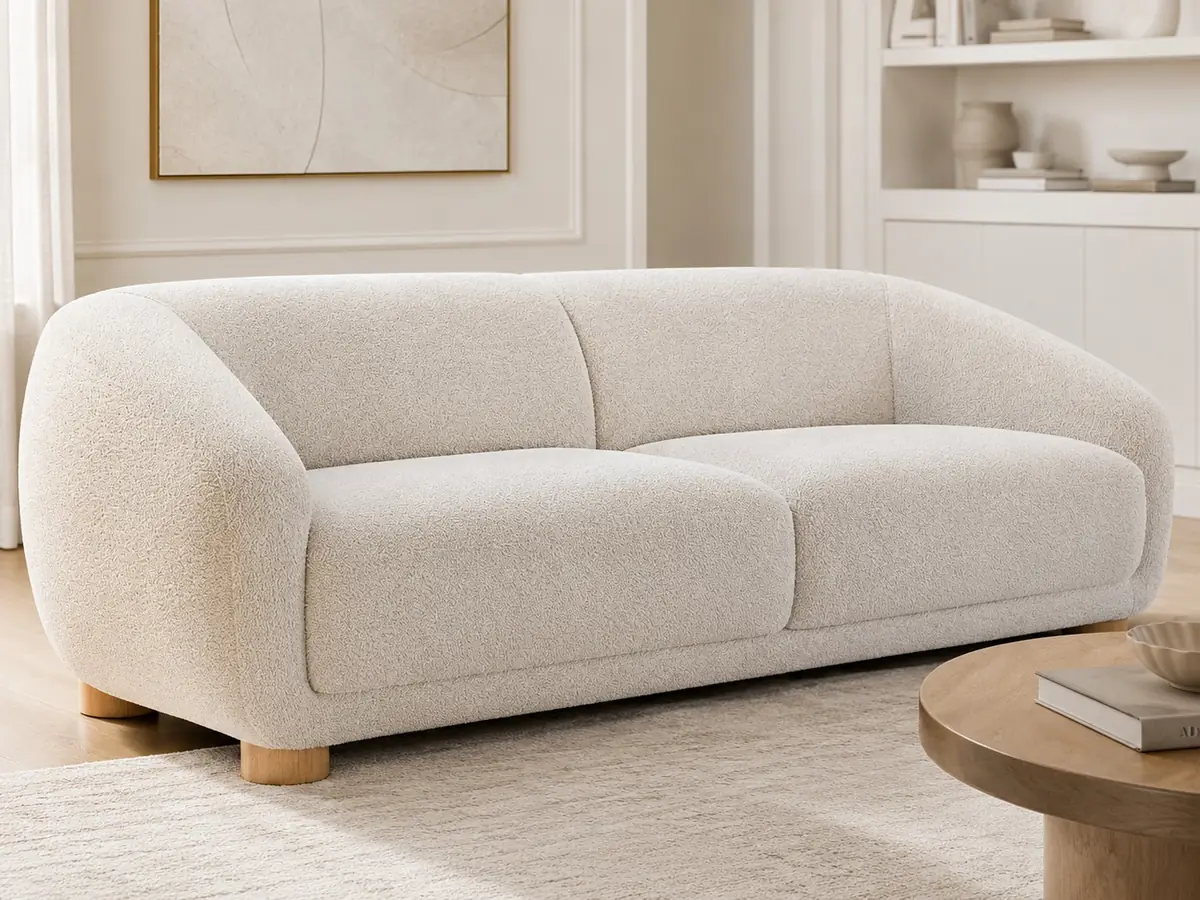
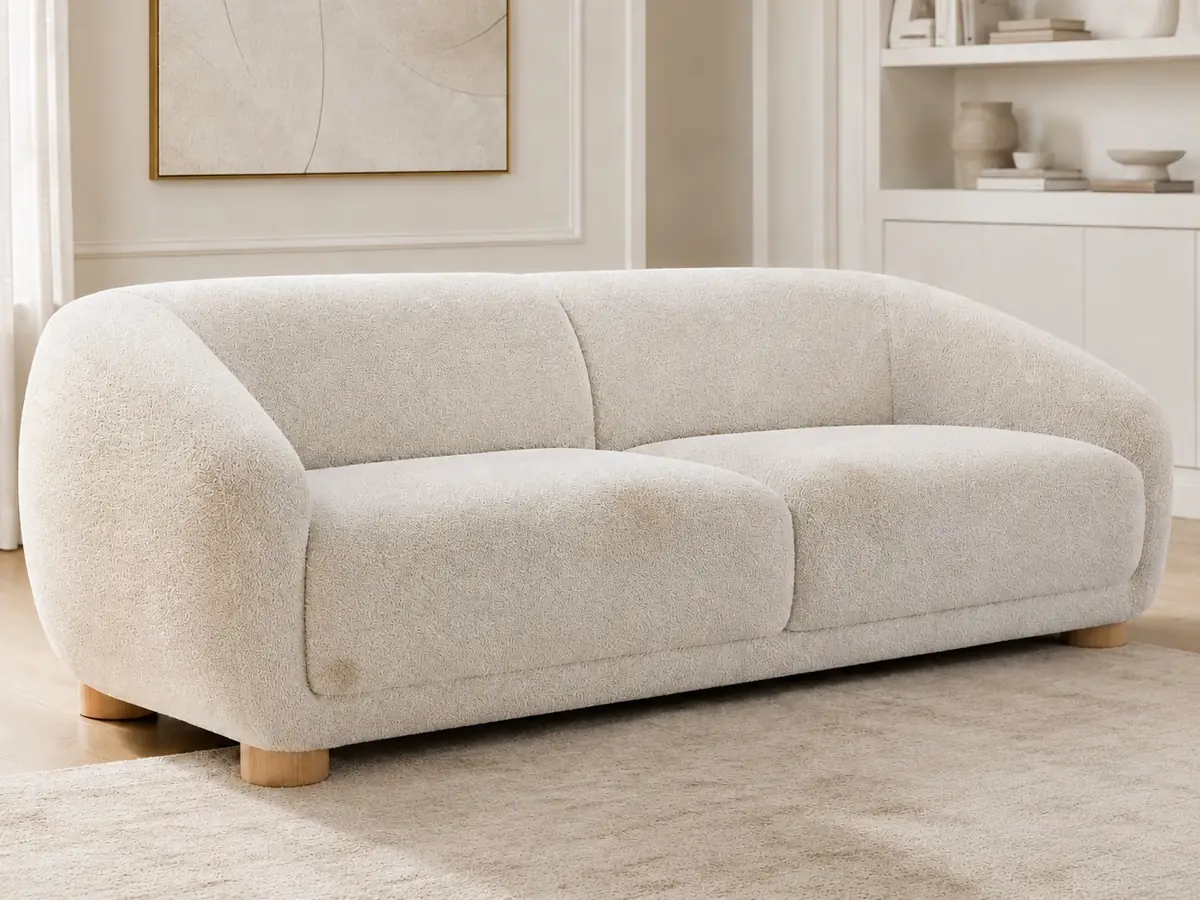
Drag to see the difference
A real result from our couch and sofa before and afters around Orlando.
At Pink Upholstery Cleaning we clean upholstery for homes across Orlando with hot water extraction, reading the fabric code before anything touches it. Sofas start from $149 with a $115 minimum service. Our couch and sofa cleaning page has the detail, and our guide to cleaning a couch covers the home methods fabric by fabric.
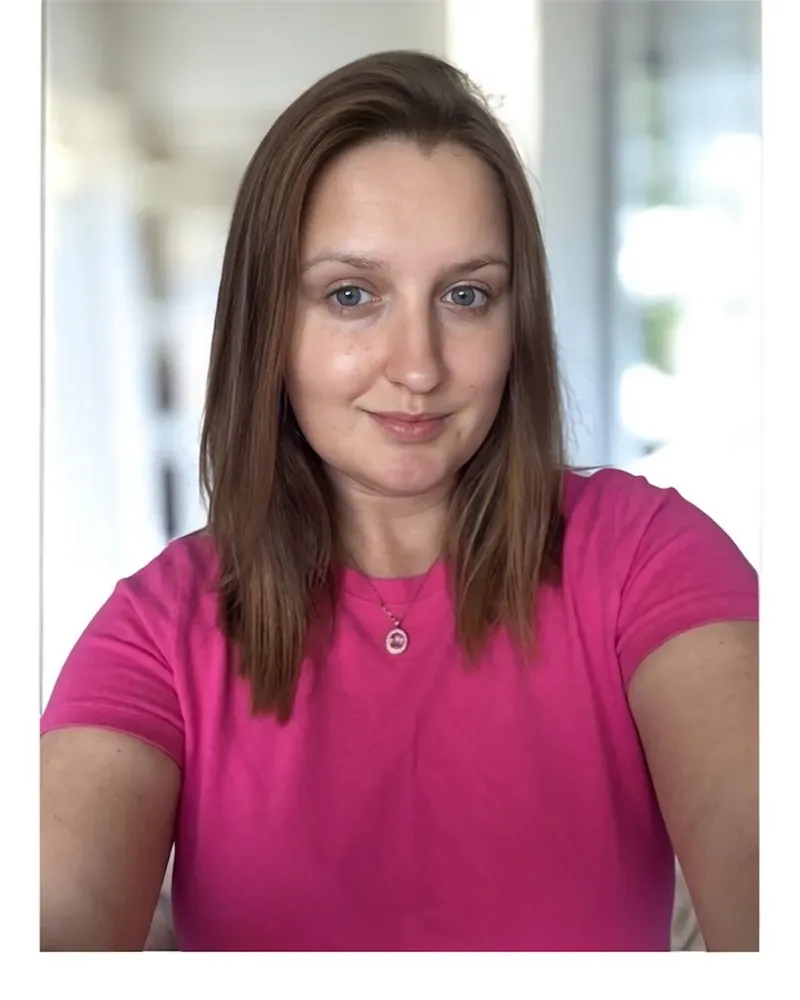
Natalia is the owner of Pink Upholstery Cleaning, a woman-owned, insured upholstery, furniture and mattress cleaning business serving Orlando, Florida. She cleans couches, mattresses and chairs across the Orlando area every week, so the advice here comes from hands-on experience, not theory.
Questions, answered
How does steam cleaning upholstery work?
What is usually called steam cleaning is hot water extraction. Heated cleaning solution is sprayed into the fabric under pressure and vacuumed straight back out in the same pass, carrying the loosened soil with it. Very little actual steam is involved. The heat dissolves oils, the pressure loosens soil, and the vacuum is what actually removes it.
Is steam cleaning the same as hot water extraction?
Not quite, and the difference matters. True steam cleaning applies vapour, which adds moisture without removing it. Hot water extraction sprays heated solution and immediately vacuums it back out, so it takes out more than it puts in. Almost every professional upholstery clean sold as steam cleaning is hot water extraction.
Does steam cleaning damage upholstery?
It can, on the wrong fabric. Never use it on an S-code or X-code piece, on real suede or leather, or on anything delicate or unlabelled. Heat also sets protein stains such as blood, milk and urine permanently, so those must be treated cool and with an enzyme before any heat goes near them.
Why did my handheld steamer not clean my couch?
Because it has no extraction. It puts vapour into the fabric and has no way to pull it back out, so soil is loosened and then left in place, and the moisture soaks into the foam. That is why a couch can look briefly refreshed and then dry blotchy or smell musty a day or two later.
Is steam cleaning good for allergies?
The heat used in hot water extraction kills dust mites living in soft furnishings, and the extraction removes the allergen along with the soil. Dust mite allergen is present in most US homes, so for an allergy household this is one of the more worthwhile reasons to have upholstery cleaned properly.
How long does upholstery take to dry after steam cleaning?
A few hours with proper extraction, and the same evening in most cases. If it is still damp the next day, too much water went in or too little came out. In Florida humidity that matters more than elsewhere, because slow drying is what causes rings, wicking and musty smells.
Explore our cleaning services
Ready for a proper deep clean
Get a free, no-obligation quote today. Call or book online and most weeks we have same-week openings across Orlando.
Prefer to call? Lines are open 24/7. You'll get an instant text back, and we reply fast to schedule your visit or send a free quote.