
The Best Upholstery Cleaner Is Cheaper Than You Think
What is in this guide
There is no single best cleaner
The best upholstery cleaner is whichever one matches the code on your tag, and on a W-code fabric that is usually mild dish soap in cool water. It genuinely outperforms most bottles sold for the job on everyday soil, and it costs nothing.
We clean upholstery for a living and we are not paid by any manufacturer, so this page is about what works rather than what to buy. The useful question is not which product is best in the abstract. It is which one your fabric can take, which is a question the tag has already answered.
The right cleaner for your code
Find the tag under a seat cushion or on the underside of the frame. Our guide to upholstery cleaning codes covers what each letter means and where to find it on common brands.
Mild dish soap in cool water
A few drops in a bowl, whisked to a foam, and you apply the foam rather than the water. Commercial water-based upholstery cleaners work too, and none of them beat dish soap by enough to matter on everyday soil.
Rubbing alcohol, or a dry-cleaning solvent
Isopropyl alcohol from a pharmacy is the cheapest genuinely effective solvent for home use. It flashes off fast and evenly, which is exactly why it does not leave the ring that water leaves on these fabrics.
Either, so start with dish soap
The forgiving code. Use the water-based option first and keep solvent for anything greasy that soap will not shift.
Nothing wet at all
Vacuum and brush only. No product on this page belongs on an X-code fabric, and that includes anything sold as gentle or natural.
The homemade cleaner that works
For a water-safe fabric, this is the one worth knowing and it beats a lot of what is sold in bottles.
- A few drops of mild dish soap in a bowl of cool water. Not a squirt. A few drops, or you will spend longer removing residue than soil.
- Whisk it until you have a head of foam. The foam is the product.
- Apply the foam only, with a cloth or sponge. Leave the water in the bowl. This is the entire trick, because it cleans the fibre without carrying moisture into the padding.
- Blot out with a dry white cloth until it comes up barely damp, then dry with a fan.
For grease, go dry first. Sprinkle cornstarch or baking soda over the spot, give it a few minutes to draw the oil out, vacuum it away, and only then use the soap foam on what remains. For anything organic, urine or vomit or blood, no homemade mix substitutes for an enzyme cleaner, because only enzymes break down the residue that causes the smell to return.
What to look for on the label
If you would rather buy something, these are the things worth reading the small print for.
- Water-based or solvent, stated plainly. It has to match your code, and a product that does not say which it is tells you something about the manufacturer.
- pH neutral, particularly for wool, silk or anything natural. Alkaline products damage protein fibres.
- No optical brighteners. Sometimes listed as brightening or whitening agents. They coat the fibre and fluoresce in daylight, so the patch you treated ends up looking wrong in a different way.
- Enzyme content, if the problem is organic. For urine, vomit or blood this is the only thing that matters and no general-purpose cleaner replaces it.
- Low fragrance. Scent covers odour without removing it, which delays finding out whether the clean worked.
EPA's landmark TEAM study found about a dozen common organic pollutants 2 to 5 times higher inside homes than outside, and cleaning products are one of the sources. Choosing a gentle cleaner keeps your indoor air cleaner too. Source: U.S. EPA.
What we see ruin fabric
Most of the permanent damage we get called about did not come from the original spill. It came from what was used on it afterwards. These six account for nearly all of it.
Bleach, in any dilution
Strips dye out of upholstery fabric permanently, and the damage shows as a pale patch you cannot put back.
Optical brighteners
Common in laundry detergent. They deposit a coating that fluoresces under daylight, so the treated patch reads brighter than the fabric around it and looks worse than the stain did. Undoing it needs a neutraliser rather than more cleaning.
Laundry detergent generally
Built for machine rinsing, and upholstery cannot be rinsed. The residue stays in the fibres and attracts soil faster than before, which is why a cleaned patch goes dirty again quickly.
Ammonia on wool or silk
Alkaline cleaners damage protein fibres. Wool upholstery needs a neutral pH product and nothing stronger.
Hot water on an unknown stain
Heat sets protein permanently. Blood, milk, egg and urine all bind to the fibre and stop being removable.
Any water on an S code
Rings, and on some fabrics shrinkage. The tag is not a suggestion.
What is actually on our van
People asking which cleaner is best usually want to know what professionals use, so here it is. We are not paid by any of these manufacturers and this is not a shopping list. Most of it would be the wrong purchase for a home, which is rather the point.
It heats the solution and vacuums it straight back out. Heat dissolves body oil that cold water cannot touch, and the vacuum is what actually removes the soil. No bottle does either of those things, which is the real gap between a home clean and a professional one.
We carry a gallon of this because browning is a genuine risk, not a theoretical one. Natural fibres such as cotton, linen and jute release tannins when they get too wet, which travel to the surface as the fabric dries and leave a yellow-brown cast. A product exists purely to reverse it because it happens often enough to need one.
Oxygen chemistry lifts organic staining and the odour with it, rather than covering the smell with fragrance. It is one of the few things that works on the stain and the smell at the same time.
Applied at the end of a visit to clean dry fabric, never over existing soil. This is the product behind the protection add-on rather than a separate visit.
For the patch that comes out brighter than the fabric around it after somebody cleaned a stain with laundry detergent. The brighteners stay in the fibre because upholstery cannot be rinsed, and more cleaning only adds more. This is the second product on the list whose entire job is undoing a well-meant home clean.
For grooming pile back into one direction as it dries. Crushed or patchy pile reads as a stain even when the fabric is spotless, and no chemistry fixes that. A brush does.
Three of those are worth a second look, because they are the honest argument for everything on this page. We carry one product whose only job is reversing browning, one whose only job is neutralising the brighteners left behind by laundry detergent, and one for lifting organic odour out of fibre. None of them would be manufactured, and we would not keep them stocked, if over-wetting, the wrong detergent and surface deodorising were not failing in real homes often enough to need fixing.
What we would not suggest is buying any of it. Corrective products are formulated for people who use them weekly and know what they do to a fibre, and the extractor costs more than most sofas. The one item on the list worth owning is the brush.
When no cleaner is the answer
Product choice stops mattering at a certain point, and it is worth knowing where that point is before you buy a third bottle.
- The soil is in the foam rather than the fabric. Nothing applied to the surface reaches it, and adding more liquid makes the wicking worse.
- Body oil on headrests and arms. Oil needs heat to dissolve, and no cold home product supplies it.
- Urine. The visible mark is the top of a much larger patch, and enzyme applied to the surface treats a fraction of it.
- The tag says X, where the correct product is no product.
In each of those the limit is method rather than chemistry. What a professional adds is heat and extraction, which is to say the ability to put solution in and pull it back out again, and that is not something a bottle can do. Our explanation of hot water extraction covers why that difference matters more than the cleaner does.
Tried a product and it did not shift
If a stain has survived two careful attempts, a third bottle is not the answer. We clean by the fabric code for homes across Orlando and will give you an honest read on what will lift before we start.
Prefer to call? Lines are open 24/7. You'll get an instant text back, and we reply fast to schedule your visit or send a free quote.
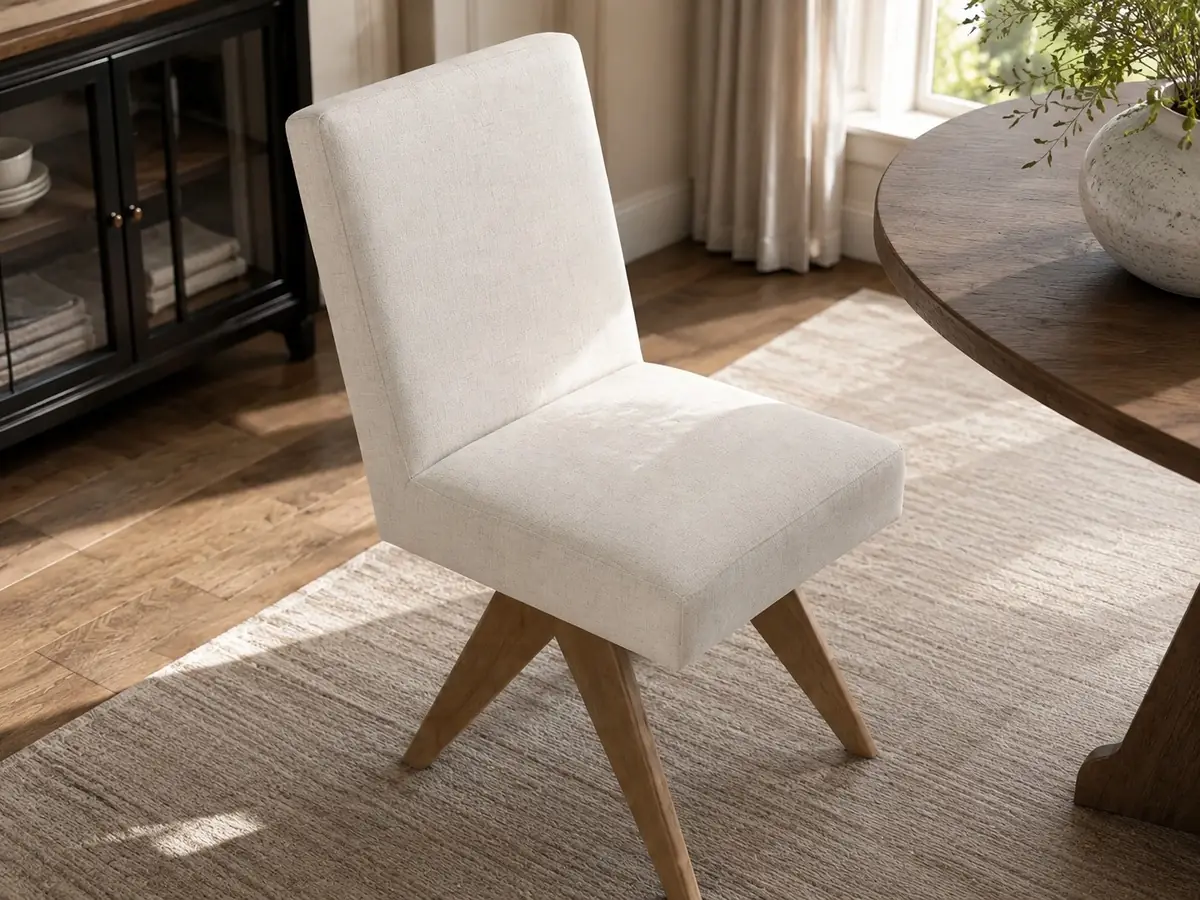
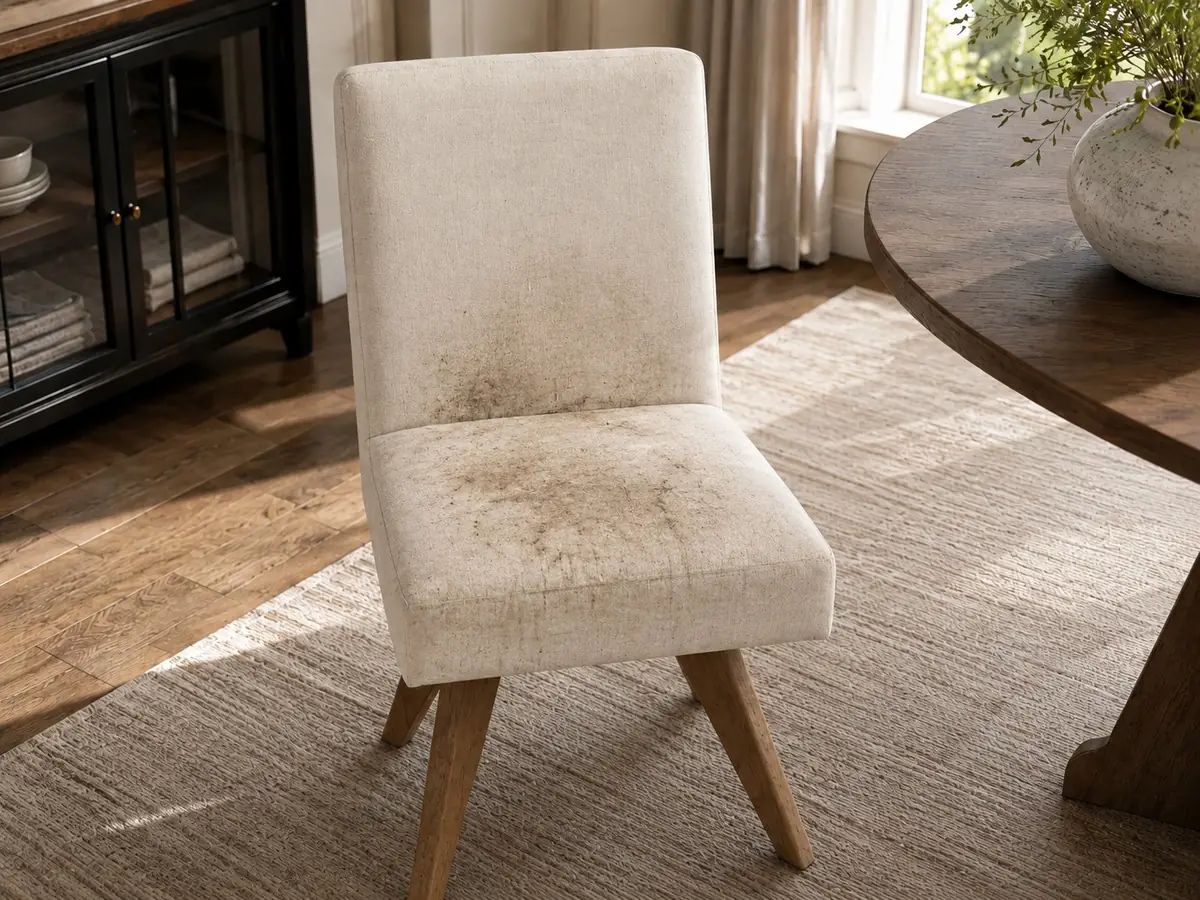
Drag to see the difference
A real result from our before and afters around Orlando.
At Pink Upholstery Cleaning we clean by the fabric code for homes across Orlando, with sofas from $149, a $115 minimum service, and stain treatment included in the clean rather than added on top. Our couch and sofa cleaning page has the pricing, and our guide to couch stains covers treatment stain by stain.
Natalia is the owner of Pink Upholstery Cleaning, a woman-owned, insured upholstery, furniture and mattress cleaning business serving Orlando, Florida. She cleans couches, mattresses and chairs across the Orlando area every week, so the advice here comes from hands-on experience, not theory.
Questions, answered
What is the best upholstery cleaner?
There is no single best one, because the right cleaner is decided by your fabric's cleaning code rather than by the brand. On a W code, mild dish soap in cool water beats most commercial products on everyday soil. On an S code, rubbing alcohol is the cheapest genuinely effective option. On an X code, nothing wet should be used at all.
What is the best homemade upholstery cleaner?
A few drops of mild dish soap whisked into a bowl of cool water until it foams, then apply only the foam with a cloth rather than the liquid. It handles most everyday soil on a water-safe fabric. For grease, sprinkle cornstarch or baking soda first to absorb the oil, then treat what is left with the soap foam.
What is a good upholstery cleaner for a fabric couch?
Check the tag first. Most fabric couches carry a W or WS code, and on those a mild dish soap foam or any water-based upholstery cleaner works. Most microfiber carries an S code despite being fabric, and on those you need rubbing alcohol or a solvent instead, because water leaves a ring.
Can I use a carpet cleaner on upholstery?
Only the upholstery attachment, never the main floor head, and only on a W or WS fabric. Carpet formulas are often stronger than upholstery fabric wants, so dilute more than the bottle suggests and test a hidden area first.
Is a cheap upholstery cleaner as good as an expensive one?
For everyday soil, usually yes. Most of the difference between products is fragrance and marketing rather than cleaning chemistry, and dish soap outperforms a surprising number of them. Where you do want a purpose-made product is for a specific problem, particularly an enzyme cleaner for anything organic like urine, vomit or blood.
What should I avoid using on upholstery?
Bleach in any dilution, laundry detergent and anything containing optical brighteners, ammonia on wool or silk, hot water on an unknown stain, and water of any kind on an S-code fabric. Most permanent damage we are called about came from one of those six rather than from the original spill.
Do I need an enzyme cleaner?
For anything organic, yes, and nothing else substitutes. Urine, vomit, blood and food protein leave residue that only enzymes break down, which is why a surface clean removes the mark and the smell comes back. Apply enough to keep the area damp for several hours, because enzymes stop working the moment they dry.
Explore our cleaning services
Rather not risk the wrong product
Get a free, no-obligation quote today. Call or book online and most weeks we have same-week openings across Orlando.
Prefer to call? Lines are open 24/7. You'll get an instant text back, and we reply fast to schedule your visit or send a free quote.